

UK luthier Seth Baccus grew up surrounded by music and instruments from an early age. Seth’s stepfather, Andy Manson, is a renowned luthier worldwide for his acoustic guitar-making, and his brother, Hugh Manson, is known for building electric guitars for the stars. The universe had pretty much placed Mr. Baccus at the optimal place and time to become a luthier, so you might say it was always his destiny.
Destiny
Seth is one of those who listens, absorbs, and studies information; he has a voracious thirst for knowledge and has grown up surrounded by influences that permeate his work to this day. With the world just emerging from lockdown, I managed to catch up with Seth via the magic of FaceTime, and we talked about how he became one of the UK’s top guitar makers.
What got you into building instruments?
Andy Manson is a considerable influence in Seth’s life and has been building acoustic instruments for five decades. This all meant that Seth was around this master luthier, probably inadvertently soaking up guitars as a young boy. Eventually, at the age of 15, he started as a “tea boy”, working with Andy and Simon Smidmore (now of Brooks Guitars) around the workshop.
In September 1997, Andy’s brother, Hugh Manson, was getting ready for the South West Guitar Show, and Seth went along to help out for a week. This soon turned into a full-time job working at Mansons Guitar store, a place where guitars surrounded him and where he would lay his hands on some of the most desirable vintage guitars firsthand. When you’re 20 years old and get to sample real ’59 Les Pauls and ’52 Telecasters, it tends to leave a lasting impression on you.
Around 2004, Seth and fellow Manson employee and now head Luthier at Manson’s Guitar Works, Tim Stark, started hanging out in Hugh’s workshop on their days off. Seth recalls building a Telecaster-style instrument for his then-girlfriend as one of his earliest builds. Seth and Tim would devote all available time off to learning the craft and to absorbing how to build guitars.
We have to consider that Mansons’ Guitar Store has some of the most prominent names in the guitar world flowing through its doors. This meant that Seth would get to talk and work with players like John Paul Jones and even got to Tech for the legendary Led Zeppelin reunion show at the 02 in 2007, a one-night performance with no second chances.
Plug-In Baby
Then we have to factor in the elephant in the room, a little three-piece local band from Teignmouth, Devon, who goes by the name Muse.
Seth has known Matt Bellamy and the band since their beginnings and was there at the birth of the first famous silver Fuzz Factory loaded, DeLorean signature guitar wielded by Bellamy. This local band turned stadium rockers had Seth intricately involved, even before a label signed them; watching Hugh and Matt thrash out ideas for these custom guitars was all part of his everyday work life.
Seth would do final quality checks on all of these custom guitars Hugh built for Matt Bellamy, and have watched Muse grow from playing local venues in 1998 all the way through and into worldwide stardom. Which meant he would see firsthand what a pro guitarist required from a working instrument.
Before Seth left Mansons in 2009, he had worked his way up to store manager and as a guitar tech with some of the biggest names in showbiz, discovering what works when you’re up against a stage deadline. It was about understanding what players were saying and what they were asking. This art of listening to musicians and helping them realize the sounds in their heads is second nature to him with all his clients.
After leaving Mansons, Seth went to live in Portugal, working alongside his stepfather, Andy, in the workshop, and it was there that Seth Baccus Guitars was essentially born.
What are your biggest influences on guitar building?
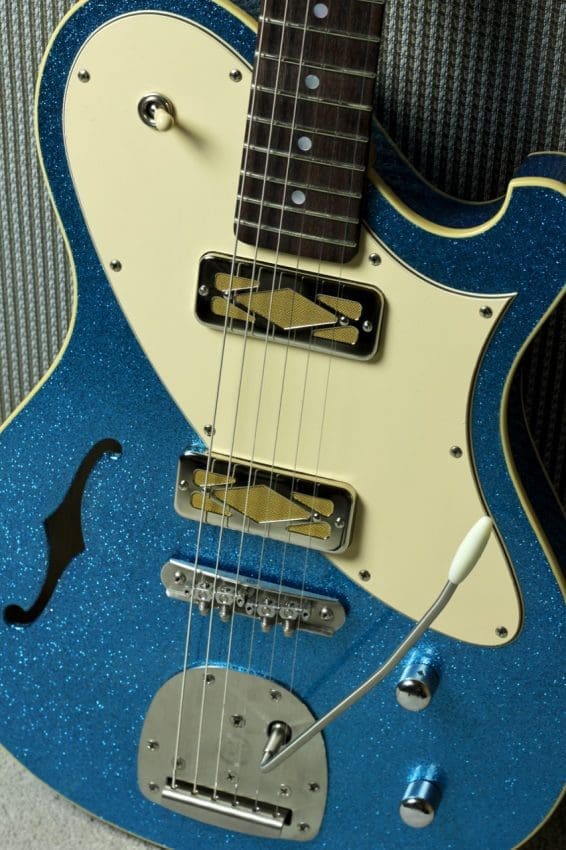
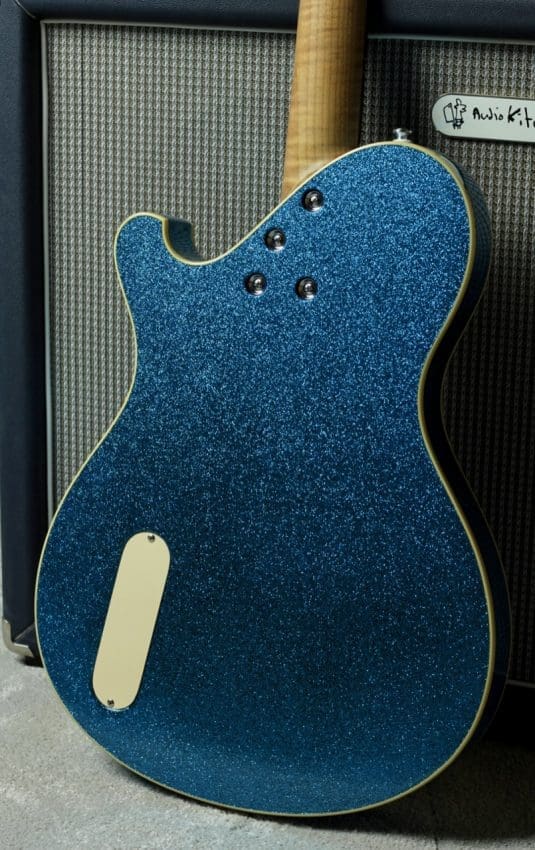
For sure, the two Manson brothers are a significant influence on how he builds guitars. From Andy Manson’s aesthetic, where lines flow and curves resolve themselves. The less-is-more philosophy that has evolved over five decades of acoustic guitar building certainly shows in Seth’s work.
Those listening skills and problem-solving, paired with his thirst for knowledge and learning on the job at Hugh’s store, along with the practical, hands-on sessions on days off in the workshop, supervised by Hugh, all paid off. Having seen vintage guitars close up and personal, first hand, and working out what was going on to make a great guitar, more than the sum of its parts.
He also cites a particular early PRS Purple 10 Top Custom 22 he was drawn towards and had encountered at the shop.
If we go back a few years, Seth had grown up when Slash was the big guitar hero, and the Gibson Les Paul-wielding rockstar had made the young guitarist lust after that classic single-cut shape. But Seth grew up with a Fender Squier, so when he finally got his hands on a real Gibson Les Paul, he found it wasn’t what he expected!
Whereas this PRS was something he aspired to but could not afford, and combined elements of both Gibson and Fender. Nowadays, in Seth’s original designs, you can see the meeting of these influences, where he takes features from each and makes them his own.
Later, Seth would become friends with inspirational luthiers Nik Huber and Juha Ruokangas, both renowned guitar makers, each known worldwide for their quality of work. Both would leave a lasting impression on how Seth approaches building instruments.
What is your favorite part of the process of instrument making?
Like most luthiers, he is inspired by pieces of wood and is like a kid in a candy store when choosing new pieces. The design aspect and the aesthetic he brings together also give him much joy, and his next guitar will always be his best.
In our conversation, what stands out is how he loves doing fretwork, ‘the dark art’ is now something he finds intuitive; it is meditative and even therapeutic.
How should potential new clients get prepared when buying a new instrument from you?
Many musicians can often be daunted by the idea of ordering a custom-made instrument. Thankfully, Seth is a great listener, and all those years working with customers at Mansons have given him the ability to help musicians realize their dream guitars.
He doesn’t expect new customers to know absolutely everything. He enjoys the process of helping players bring ideas, so reach out, start a conversation, and bounce ideas off each other.
I had to ask him why he thought musicians should look at buying a luthier-made guitar. Seth’s reply “Customers often know what they want but maybe don’t know how to express it; luthiers decode this. Luthier-made guitars are usually made with love, as there are a million easier ways to make money.”
For Seth, it’s all about putting positive energy into his work. Then, seeing that taken further, once the musician takes that energy and starts to create music with it.
How would you describe your style of instrument building?
“It’s a combination of modern style, with precision tools and old-world hand skills”. Seth will always use the right tools for the job, whether that is a CNC machine or his chisels.
He gives the example of fret slots cut on CNC, as this process is super accurate and means his instruments are in tune and always consistent. And we already know his fretwork is all done by hand, as he can set up each guitar perfectly so that it feels just right.
What’s the biggest mistake you’ve made whilst learning your craft?
“Lots! Being a business and making business decisions is a huge undertaking, and you only get better by learning from your mistakes. I’ve also ruined some beautiful pieces of wood. And power tools and CNC machines can go very wrong very quickly!”
Do you have a personal favorite style of guitar?
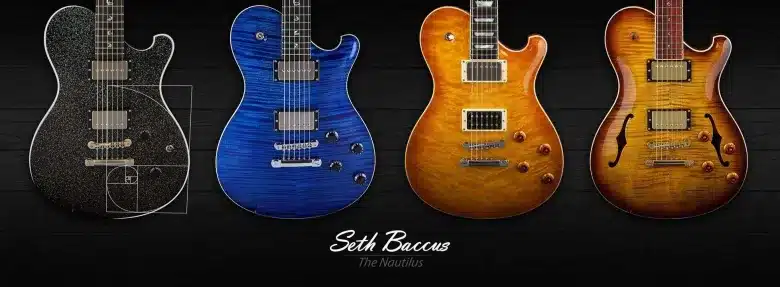
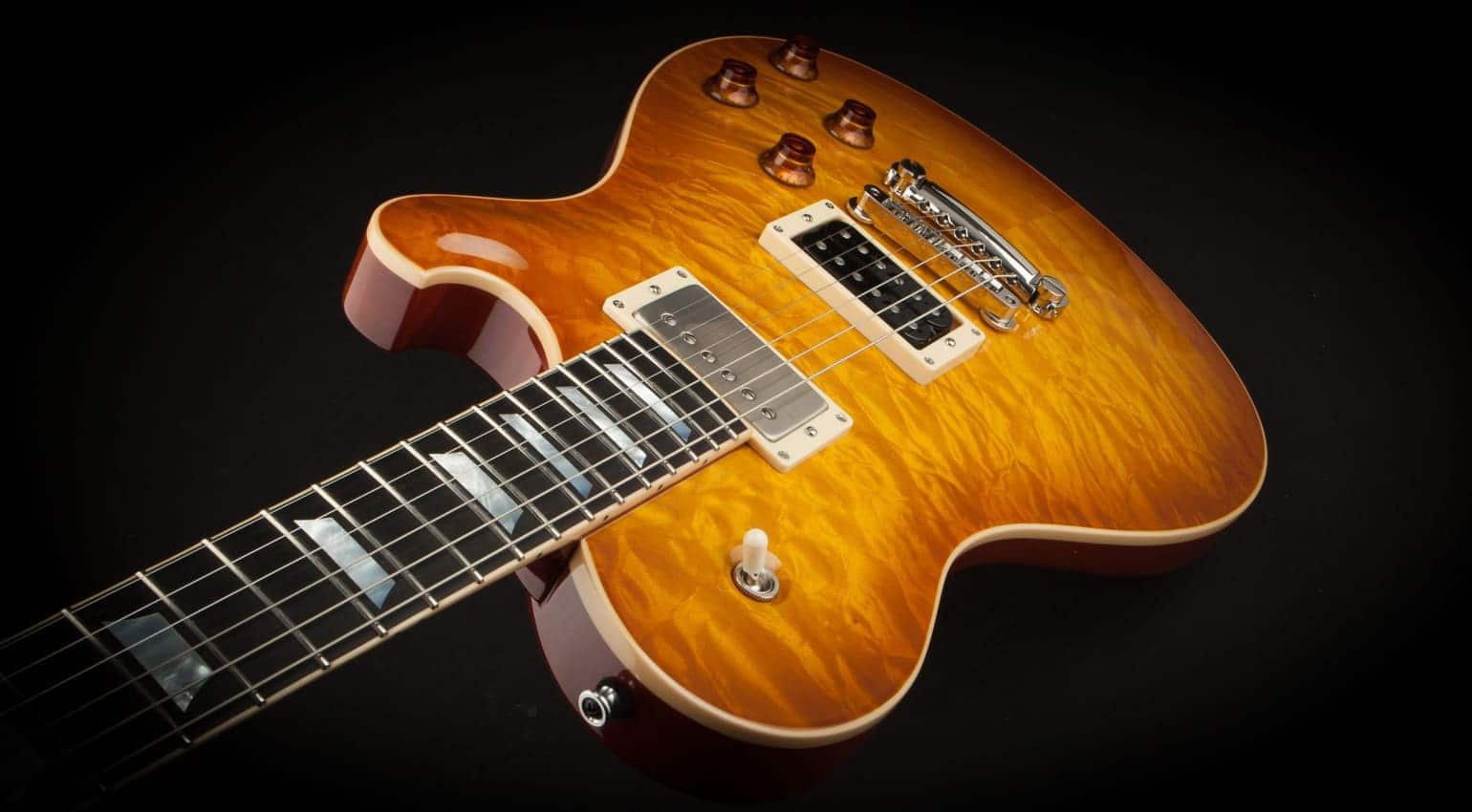
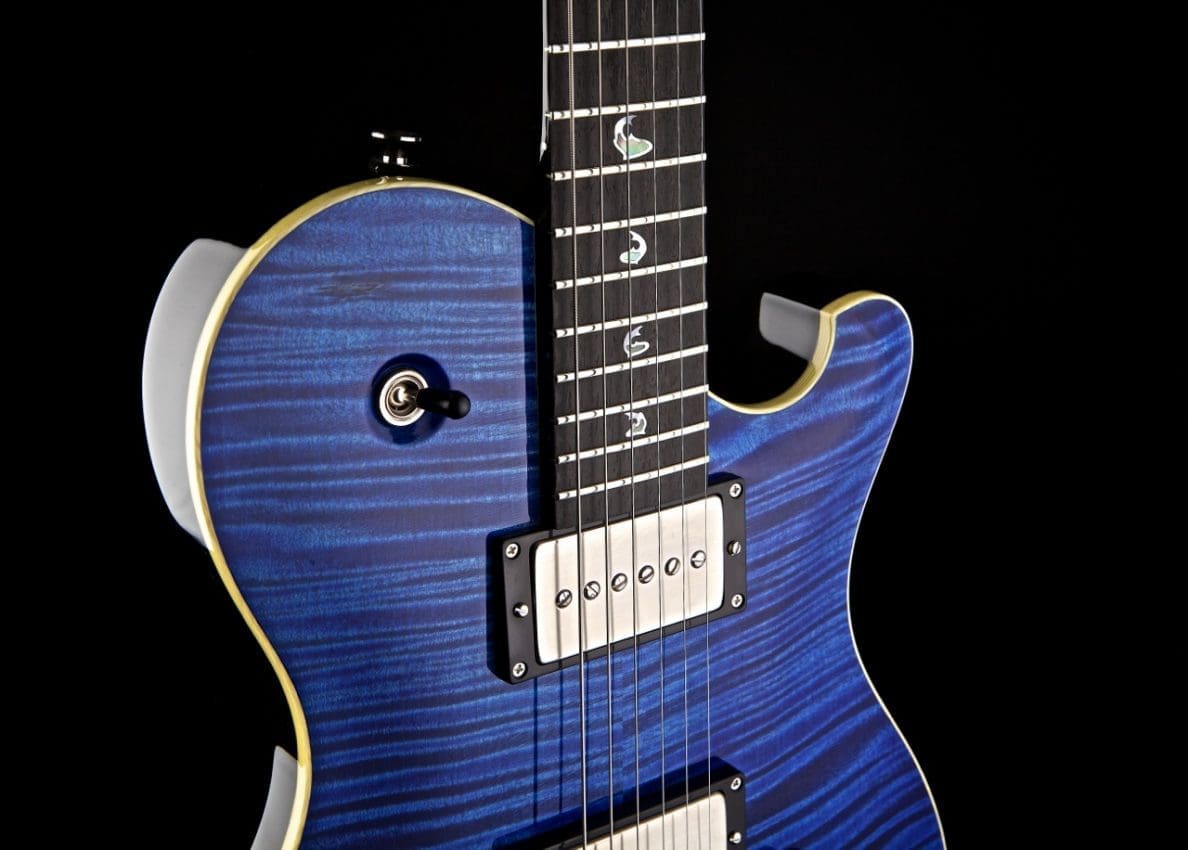
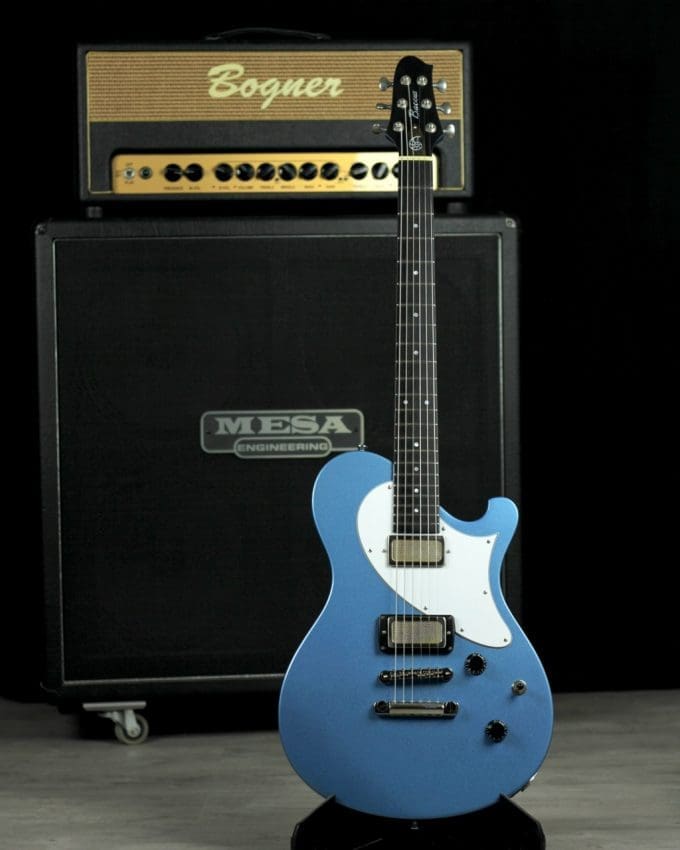
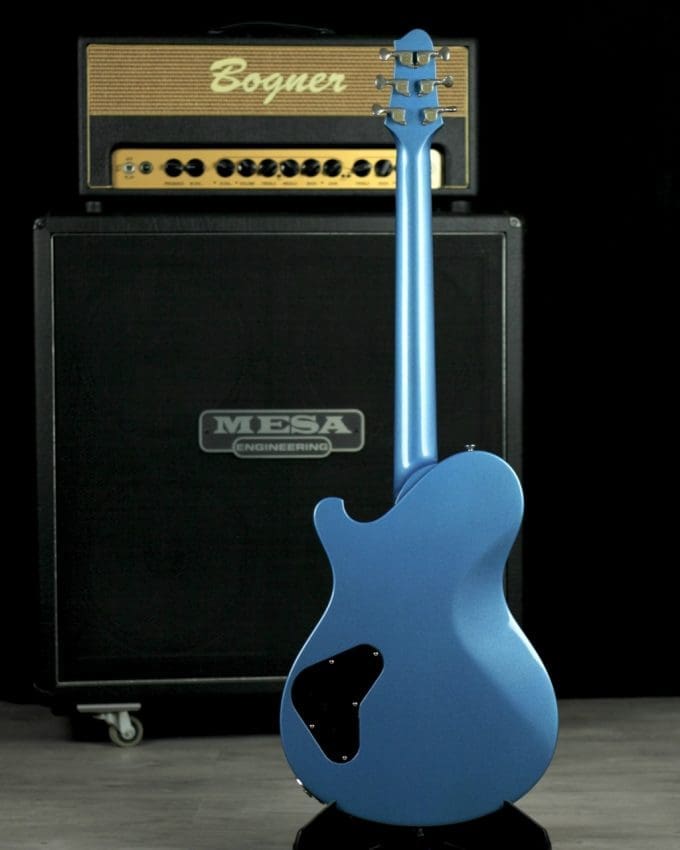
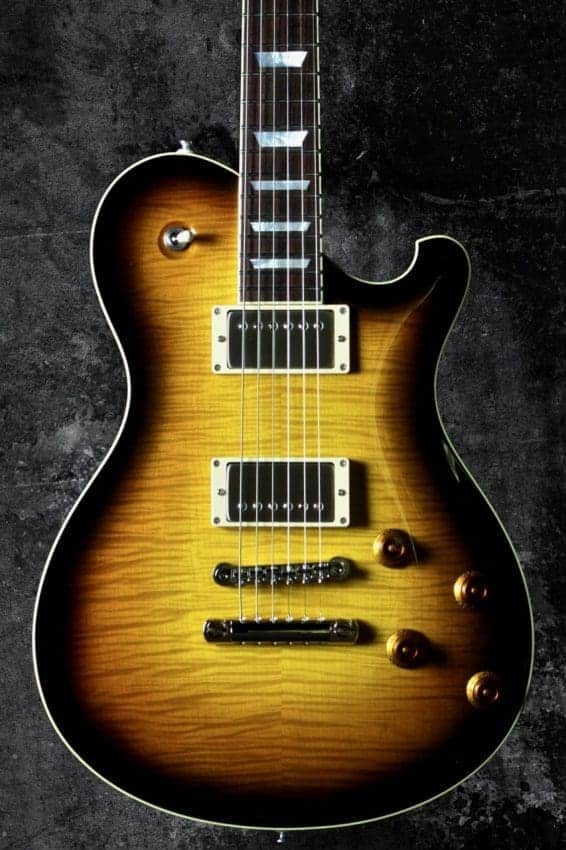
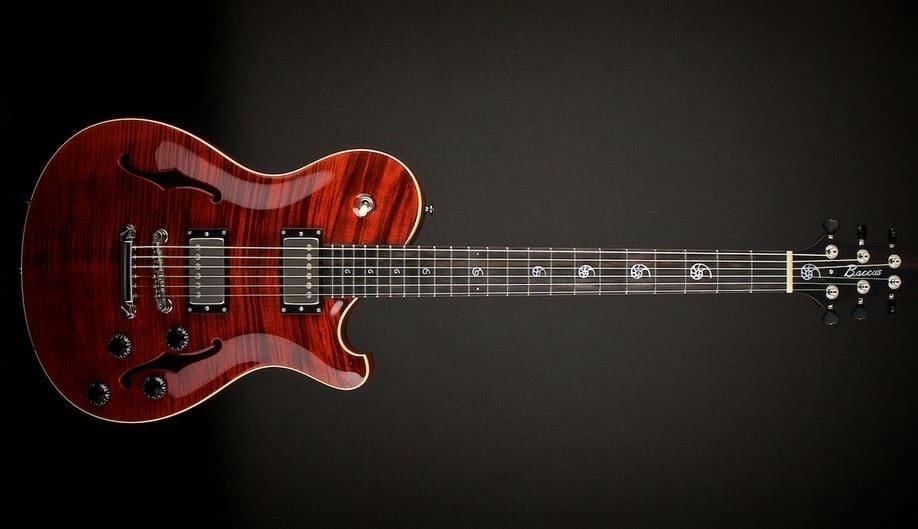
His Nautilus design had come into being following his encounter with the Gibson Les Paul, the model his hero, Slash, had played. Seth wanted to meld the 25.5″ scale length of Fender and make a modern instrument that could last a player a lifetime.
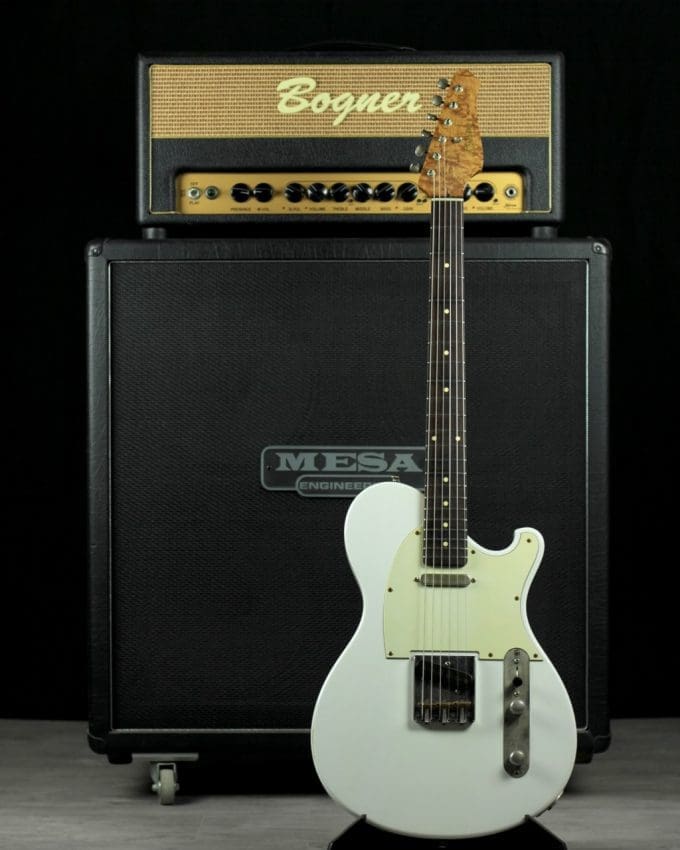
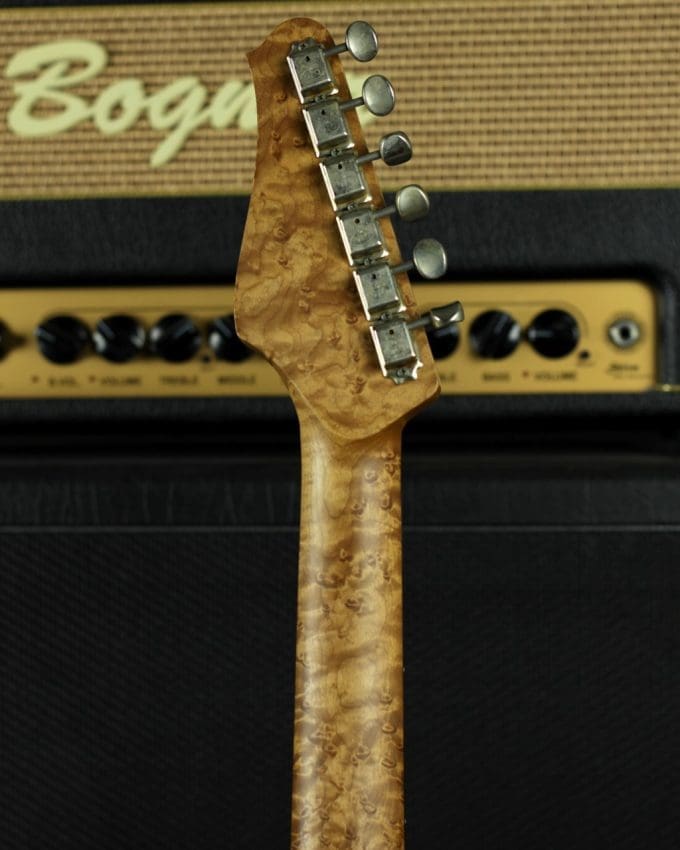
He is just as excited to build something different, whether hollow-bodied or a lightweight, bolt-on neck ‘beaten up’ relic Shoreline.
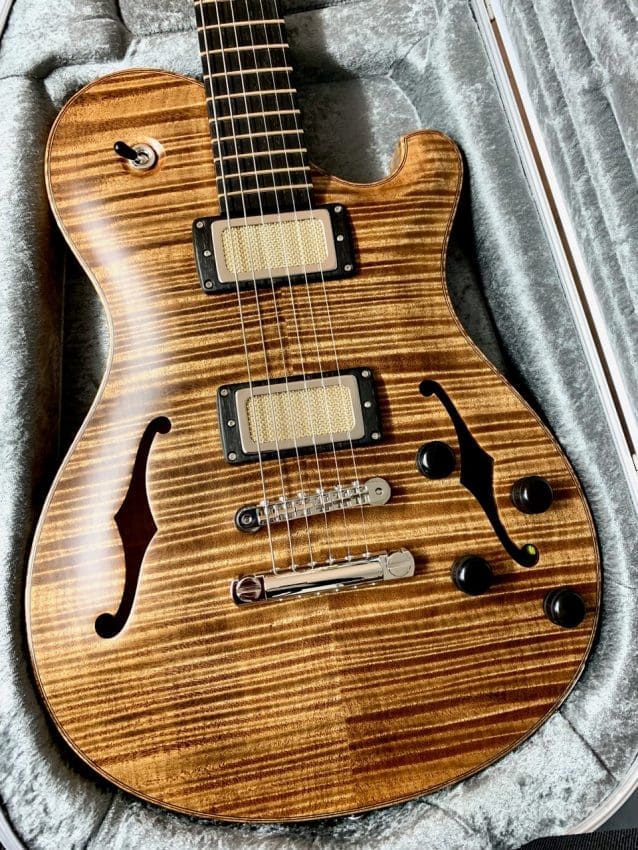
What do you feel when you have to hand the new guitar/bass over to its new owner? And do you ever want to keep them instead?
“I get a pang of being nervous; I want my client to play and love it. I love seeing someone playing and creating using my work, that positive energy transfer. It makes me feel like a proud father.”
“Sure, I want to keep them all, but I can only play so many guitars.”
What would you want your legacy to be?
“I want to be remembered as someone that loved their work. It’s a nice thought that the guitars will live longer than me and keep going. They will keep contributing to create new music long after I am gone.”
“My mantra is to build heirloom quality instruments, built to last and passed down through generations.”
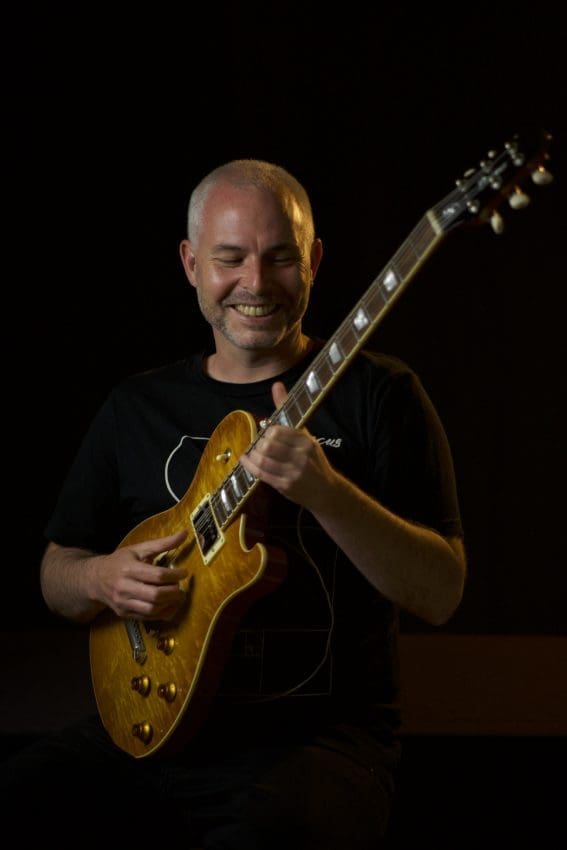
Seth Baccus Guitars
His workshop is now based in Cornwall, and since moving back to England, his work has gained critical acclaim in all the major guitar publications, with his instruments frequently winning awards.
You can see Seth’s work on his site below, and I highly recommend following his Instagram account, as he often features new builds there. – @sethbaccusguitars
If you are looking for a premium luthier-made guitar built with positive energy and love, then Seth Baccus Guitars should be on your radar.
More Information
Video


#seth baccus #meet the maker
This article may contain affiliate links to Andertons, DeathCloud, Donner, Fender, Gear4Music, Positive Grid, Sweetwater, and Thomann that help finance the running costs of GuitarBomb. We will receive a small commission if you buy something through these links. Don’t worry; you pay the same price, and it costs you no extra to use these affiliate links for your purchases.


