
How to Achieve the Perfect Guitar Amp Tone
How to Achieve the Perfect Guitar Amp Tone: Balancing Volume, EQ, and Gain for Optimal Sound and Great Recordings

How to Achieve the Perfect Guitar Amp Tone. Achieving the perfect amplifier tone can often feel like a complex puzzle, especially when juggling different volume levels. Whether you're rocking out on a 5-watt combo or a 50-watt half-stack, mastering volume control is essential for your practice space or recording studio. Let's explore how to get that ideal sound without falling into common traps.
How to Achieve the Perfect Guitar Amp Tone
1. Understanding the Volume Dilemma
Many guitarists fall into the trap of cranking up their amps to the maximum, believing louder means better. It's a common misconception that the 'real sound' of an amp is achieved at extreme volumes. Surprisingly, many classic albums were recorded with amps mic'd at relatively low volumes in sound-isolated rooms.
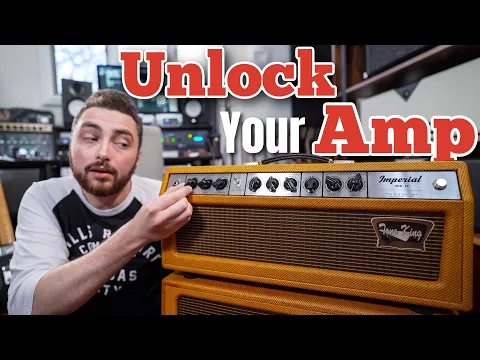
On the flip side, playing too quietly, particularly in noise-sensitive environments, can also be problematic. It's vital to consider the practicality of your amp's volume in your specific setting.

2. The Magic of EQ Pedals
Forget about boutique overdrives or chasing after the elusive real Klon; your solution might just be an EQ pedal. This tool is invaluable in a band setting, allowing you to sculpt those essential mids to cut through the mix of highs and lows.

Mids
Even if you prefer a scooped-mid sound, adding a bit of those mids back in can enhance your signal. An EQ pedal is particularly useful for adjusting your amp's EQ curve to achieve that sweet spot at a more practical volume.
- MXR 10 Band Equalizer Silver
- MXR 6 Band Equalizer Silver
- Boss GE-7 Equalizer
- Joyo R-12 Band Controller EQ
3. The Gain Misconception
A common myth in the guitar world is that high-gain amp tones on famous records are achieved with extreme gain settings. In reality, it's often about the right balance of volume and distortion. Those iconic Marshall or Vox amp tones might not have their gain knobs turned up as high as you'd think. A powerful, clean tone at high volume, when mixed correctly, can sound massive.

Think AC/DC: their chords aren't heavily distorted; they're just played loud. So, consider rolling off some gain, dialing down the pedals, and focusing on a better picking attack and preamp volume for greater clarity.
In Conclusion
Mastering your amp's tone is a blend of understanding the right volume, using EQ pedals effectively, and balancing gain and clarity. By avoiding the common pitfalls of going too loud or too quiet and mismanaging gain, you can achieve a sound that's not just loud, but rich and compelling. Whether you're practicing at home or recording in the studio, these tips can help you strike the perfect chord with your amp's tone.
More Useful How-To Guides
#guitar #guitar amp tone
Why shouldn't I turn my amp up to maximum volume?
Many guitarists assume louder equals better tone, but classic albums were recorded with amps at relatively low volumes in isolated rooms. Extreme volume can muddy your tone and isn't practical in most settings. The key is finding the right balance for your space.
How can an EQ pedal improve my amp tone?
An EQ pedal lets you sculpt your tone by adjusting the amp's EQ curve at practical volumes. Adding back mids to a scooped-mid sound, for example, helps your signal cut through in a band mix without needing excessive gain or volume.
Do famous guitar tones really use high gain settings?
Not necessarily. Iconic tones from Marshall and Vox amps often use moderate gain with high volume and good picking attack. AC/DC's massive sound comes from volume and clarity, not heavily distorted gain. Rolling off gain and focusing on preamp volume delivers greater clarity.
Keep browsing

Get this stuff first.
Leaks, deals and reviews in your inbox, once a week. No spam, just gear.