Build a Custom 3D Printed Electric Guitar at Home: The Ultimate Modular DIY Guide
Discover how to build a custom 3D printed electric guitar at home! Explore modular mix-and-match kits, STL files, and wood cores from The 3D Print Zone.

The world of DIY guitar building is undergoing a massive digital revolution. While traditional luthiery requires years of training, specialized woodworking tools, and a dedicated workshop, modern technology has opened up an exciting new avenue for musicians and makers alike.
If you have access to a 3D printer, you can now build a fully functional, high-performance electric guitar right on your kitchen table.
Leading the charge in this accessible maker movement is The 3D Print Zone, a company that has revolutionized the concept of DIY instruments with their innovative, mix-and-match modular guitar kits. Here is everything you need to know about building your own 3D-printed electric guitar at home.
The Rise of 3D Printed Guitars: Innovation Meets Instrument Design
3D printing in the guitar industry is no longer just a gimmick or a futuristic concept. Renowned designers like Frank Piesik have previously proven the viability of modular, 3D-printed instruments (such as the famous ElektroCaster project).
Today, companies like The 3D Print Zone are bringing this high-tech approach directly to consumers, making it affordable, customizable, and incredibly fun.

Modular Cores
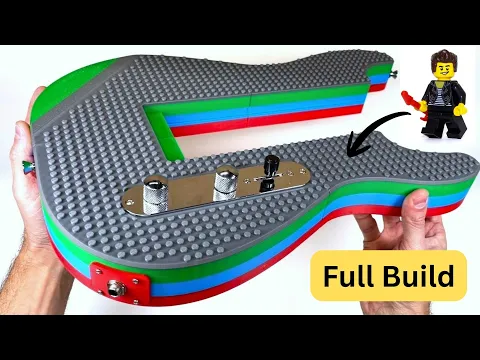
But how does a plastic, 3D-printed guitar handle the immense string tension of a standard electric guitar? The secret lies in a hybrid, modular engineering approach: The Modular Core.


How It Works: The Mix-and-Match Modular System
The biggest barrier to 3D printing a guitar has traditionally been structural stability and sustain. Plastic components alone can warp or flex under the tension of steel guitar strings.
The 3D Print Zone solves this elegantly by splitting the guitar into two distinct sections:
- The Core (The Structural Engine): A solid wooden core anchors the neck, bridge, and pickups. This ensures that the instrument retains the structural integrity, tuning stability, and resonance of a traditional wood guitar.
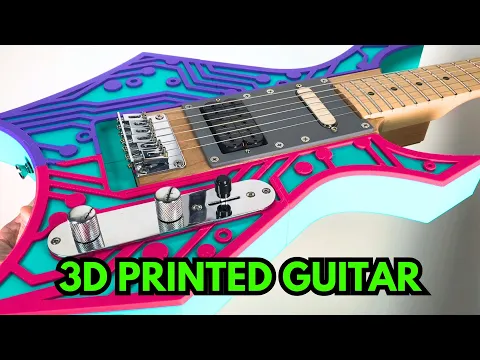
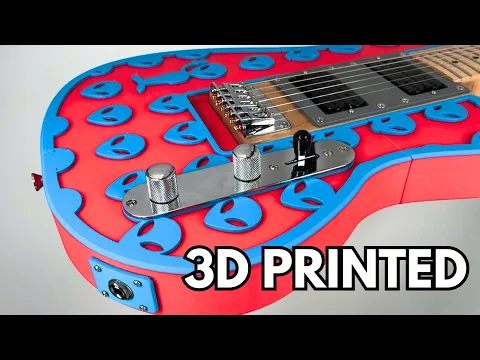
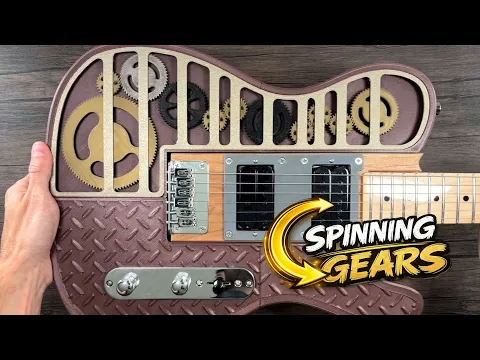
- The Body (The Aesthetic Canvas): The surrounding guitar body wings are 3D-printed. Because the body pieces snap or bolt onto the rigid wooden core, you can print them in any shape, color, or wild geometric pattern you can imagine.

3D Print Zone Mix & Match System
This mix-and-match system allows players to swap out different 3D-printed bodies or alter pickup configurations seamlessly, creating endless guitar combinations without needing to buy an entirely new instrument.
Choosing Your Kit: Configuration & Pricing
Whether you are an experienced builder or a complete beginner, there are options tailored to your budget and hardware preferences. The 3D Print Zone offers Complete Kits that include both the STL digital files for printing the body and all the physical components needed to finish the build.
1. Core Kit HH (Dual Humbucker)
Perfect for rock, metal, and high-gain players, this setup is designed for dual humbucking pickups to deliver thick, powerful tones.
- Included: Physical hardware kit, wooden core, and digital STL file downloads.
- Sale Price: £170.00 (Regular Price: £220.00)
2. Core Kit SS (Dual Single-Coil / T-Style)
Ideal for players chasing classic twang, clarity, and vintage-inspired articulation.
- Included: Physical hardware kit, wooden core, and digital STL file downloads.
- Sale Price: £170.00 (Regular Price: £220.00)
3. Wood Core Only
If you already have a drawer full of spare guitar parts, boutique effects pedal components, or a favorite neck and set of pickups lying around, you can buy the foundational platform on its own.
- Price: £95.00
Why Build a Modular 3D Printed Guitar?
Endless Customization
Traditional guitars are permanent. If you buy a Stratocaster, it will always look like a Stratocaster. With a modular 3D-printed guitar, if you get tired of a geometric wireframe design, you can simply slice a new STL file, print a different body style over the weekend, and completely transform your stage look by Monday.
The Ultimate Bench Project
For gear geeks, pedal builders, and DIY enthusiasts, this is the ultimate weekend project. It bridges the gap between digital fabrication (3D printing, slicing software) and tactile, hands-on assembly (soldering electronics, setting up action and intonation).
Incredible Value
Buying a premium custom-shaped guitar can cost thousands. At a promotional price of £170 for a complete physical component and digital kit, The 3D Print Zone provides an incredibly affordable entry point into the world of custom-built instruments.
What You Need to Get Started
To successfully build your guitar at home, make sure you have the following ready:
- A 3D Printer: A standard desktop FDM printer with a decent build volume. (Check the specific STL files on the website to ensure your print bed size is compatible, though most modular bodies are split into printable sections).
- Filament: Tough PLA, PETG, or ABS are excellent choices to handle everyday handling and temperature fluctuations.
- Basic Tools: They come pre-soldered, so you don't need much for the electronics. Just some screwdrivers, Allen keys for setup, and some sandpaper to smooth out your print seams.
Final Thoughts: The Future of DIY Gear
The line between tech maker spaces and music gear studios is blurring. By pairing a traditional resonant wood core with the infinite aesthetic freedom of 3D printing, building a custom electric guitar at home has never been more achievable, structurally sound, or budget-friendly.
Ready to print your next gigging axe? Head over to The 3D Print Zone to grab your STL files and core kits while the launch sale is live!
**#3D Printed Guitar #**The 3D Print Zone
Keep browsing

Get this stuff first.
Leaks, deals and reviews in your inbox, once a week. No spam, just gear.