Why Digital Rack Gear is Making a Massive Comeback
Discover why 1990s rack gear is making a comeback. Explore value, sonic character, integration tips, and how vintage processors rival modern boutique

For years, 19-inch rack units were dismissed as oversized relics of 1980s shred culture and over-processed 1990s studio setups. As pedalboards expanded and boutique stompbox prices exploded past the $300 mark, giant metal chassis collected dust in pawnshops, studio backrooms, and forum classifieds.
That dynamic has shifted dramatically. A growing community of guitarists, studio engineers, and ambient soundscapers are rediscovering 1990s rack processors. Offering massive dynamic headroom, studio-grade stereo routing, and unique digital textures, these units deliver high-end performance—often at a fraction of the cost of modern stompboxes.
1. Boutique Pedal Fatigue and the Economics of Rack Gear
The primary driver behind the rack resurgence is simple value for money. A single boutique dual-overdrive or high-end digital delay pedal can easily run between $250 and $400.
In contrast, 1980s and 1990s rack processors—which originally retailed for thousands of dollars when adjusted for inflation—frequently sell on second-hand markets for $100 to $300. For the price of one single-function pedal, a 1U rack unit often delivers:
- Dual 12AX7 tube preamps paired with flexible digital signal processing.
- Deep MIDI switching capabilities for instant preset recall across multiple parameters.
- Dedicated stereo outputs, input pad options, and isolated parallel FX loops.
When evaluating features against footprint, rack gear offers exceptional value for money per circuit component.
Digital also means potential for control, so you may get an analog circuit with MIDI control and presets. Or combinations of solid-state and vacuum tube circuit designs. Which is great for rack-mounted tube preamps.
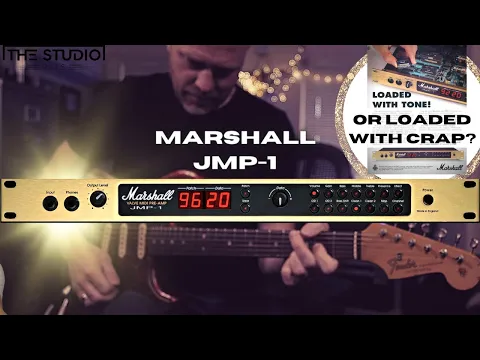
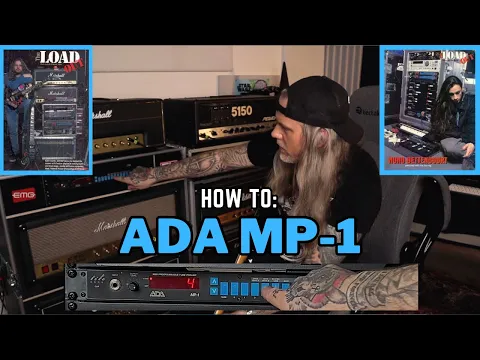
The classics like the ADA MP-1 and the Marshall JMP-1 will set you back a bit more, as players know they are perfect for certain tones; however, sometimes you can score them for less.
It is also worth checking out other brands (especially for multi-effects), including Alesis, BOSS, DigiTech, TC Electronic, Yamaha, and Zoom.
Check out our How to Buy Vintage Guitar Gear on a Budget for some tips on where to look. You may find some units, for example, with bent rack ears or missing knobs or dials (like the Alesis Quadraverb image in this article); these things won't affect the usability and are often easy to fix.

2. The Unique Sonic Character of 1990s Digital Architecture
Modern digital modelers prioritize complete transparency and high-fidelity accuracy. By contrast, 1990s rack units possessed distinct personalities that shaped the decade's albums.
- Early 16-Bit A/D Converters: Early digital-to-analog conversion introduced a subtle high-frequency roll-off and organic warmth. Rather than sounding harsh, these limited sample rates created a lush, ambient halo around individual notes.
- Hybrid Analog/Digital Signal Chains: Units from this era frequently paired physical analog clipping stages or valve gain circuits with early digital modulation and delay processors.
- Extreme Stereo Separation: Designed for studio mix buses and multi-amp stage setups, rack processors provided ping-pong delays, spatial chorusing, and pitch-detuning algorithms that standard floor pedals of the period could not replicate.
3. Key Vintage Rack Unit Categories & Bargain Models
| Category | Standout 1990s Rack Models | Key Sonic Features & Primary Use Cases |
| Hybrid Tube Preamps | ADA MP-1, Marshall JMP-1, DigiTech GSP2101 | Dual 12AX7 tube stages, programmable MIDI gain recall, crushing '90s gain & pristine clean channels. |
| Ambient & Digital Delays | Alesis QuadraVerb, Roland SDE-3000 / SDE-330, Korg A3 | Shoegaze-defining dense reverbs, rhythmic ping-pong delays, and early pitch modulation. |
| Compact Multi-FX | Boss SE-50 / SE-70, Zoom 9030, ART Multiverb | Deep pitch shifting, intense flange/phaser textures, and half-rack space efficiency. |
Classic 1990s Rack Standouts to Watch
- Marshall JMP-1 / ADA MP-1: Foundational preamps for '90s rock, alternative, and grunge metal. They pack genuine valve crunch into programmable MIDI presets, allowing instantaneous tone switching across complex setlists.
- Alesis QuadraVerb: The secret weapon behind 1990s shoegaze, dream-pop, and ambient textures. Its slightly grainy reverb tails interact with overdrive pedals in ways pristine modern algorithms struggle to match.
- DigiTech GSP2101 / Rocktron VooDu Valve: Highly programmable powerhouses featuring real tube sections alongside dual-DSP engines capable of building complex multi-tapped delay networks.
I've owned all of these at some point, and each has great features and a unique character. I could have written a much longer list, but I'd suggest most of these are worth checking out, and they aren't too expensive on the used market.
4. Technical Integration Guide: Level Matching, MIDI, and IRs
Integrating 1990s rack processors into contemporary setups requires bridging two distinct technical eras. Modern guitar rigs rely heavily on floor-based pedalboards and direct-to-PA silent setups, whereas vintage rack units were built for studio consoles and high-level amplifier loops.
Level Matching: Instrument Level vs. Line Level
The most common issue when bringing vintage rack gear onto a modern rig is signal-level mismatching.
Plugging a low-output electric guitar straight into a line-level rack processor yields a thin, noisy signal. Conversely, routing a hot line-level rack output into a standard guitar pedal will clip the pedal's input stage into harsh distortion.
- Instrument Level (High-Z): Low voltage (typically -20dBu to -10 dBu with high output impedance. This is the raw signal directly from electric guitar magnetic pickups.
- Line Level (Low-Z): Higher voltage (+4 dBu for studio gear, or - 10 dBV for consumer gear) with low output impedance.
Best Practices for Gain Staging:
- Front-of-Amp / Standalone Use: If running a guitar straight into a rack unit, use a rack device featuring a dedicated High-Z / Instrument Input or front-panel guitar jack (e.g., ADA MP-1). If the rack unit only accepts line-level (e.g., Alesis QuadraVerb), place a buffer or clean boost before the unit, or run it through an active DI box to match impedance.
- Amplifier FX Loops: Check your amplifier’s FX loop toggle switch. Set both the amp loop and the rack unit’s rear-panel switches to match either -10 dBV or +4 dBu.
- Preventing Digital Clipping: Use the rack unit's physical input level control and LED meter ladder. Aim for transients to peak around -6 dB to -3 dB. Hitting 0 dB causes harsh digital clipping, while inputting too little signal degrades your signal-to-noise ratio.
MIDI Integration: Comprehensive Floor Control
One of the greatest advantages of 1990s rack gear is comprehensive MIDI implementation.
Instead of tap-dancing across half a dozen individual stompboxes, a single footpress on a MIDI floor controller can instantly reconfigure multiple processors, switch channels, and alter individual parameter values.
- Program Change (PC): Recalls complete patches. Sending command PC #05 to the rack unit to switch to Preset 05 instantly.
- Control Change (CC): Adjusts real-time parameters within a patch (such as assigning an expression pedal to control delay feedback, pitch-bend, or wet/dry mix).
- MIDI Channels: Assign each rack processor its own MIDI channel (e.g., Preamp = Channel 1, Spatial FX = Channel 2) so your foot controller can send targeted commands simultaneously via a single 5-pin DIN cable.
Impulse Response (IR) Routing & Direct Signal Flow
1990s rack preamps sound exceptional, but their built-in analog "speaker emulation" outputs were designed in the early days of direct recording and sound dated compared to modern solutions.
Pairing vintage rack preamps with hardware Impulse Response (IR) loaders delivers studio-grade cabinet acoustics without requiring a physical speaker cabinet or live microphone.
- Preamp Gain Stage: Guitar into Rack Preamp.
Plug your guitar into the high-impedance (High-Z) input of the 1990s rack preamp (e.g., Marshall JMP-1 or ADA MP-1). Dial in your preamp drive, EQ, and patch settings.
- Time-Based FX Processing: Preamp Output to Multi-FX Unit.
Route the preamp's line output to the line input of your spatial rack processor (e.g., Alesis QuadraVerb or Roland SDE-3000) for stereo modulation, delay, and reverb.
- IR Loader Cabinet Simulation: Stereo Out to Hardware IR Loader.
Send the stereo outputs from the multi-FX rack unit directly into a stereo hardware IR loader (e.g., Two Notes Torpedo C.A.B. M+ or Strymon Iridium). Load high-resolution $24\text{-bit / 96 kHz}$ speaker cabinet profiles.
- Final Routing to PA / Interface: Balanced Output to House Mix.
Connect the stereo outputs from the IR loader directly to your recording interface or audio mixer. Disable any legacy built-in speaker-emulation switches on the 1990s rack gear to let the modern IR handle all cabinet resonance and room reflections.

Summary Matrix: Typical Signal Routing Scenarios
| Rig Setup | Signal Flow | Primary Consideration |
| Traditional Amp FX Loop | Guitar → Amp Front Input → Amp FX Send → Rack Line Input → Rack Line Output → Amp FX Return | Match operating levels +4 dBu vs. -10 dBV between amplifier and rack unit. |
| Direct Silent/Live Rig | Guitar → Rack Preamp → Rack Stereo FX → Modern IR Loader → PA / Interface | Bypass legacy built-in speaker simulation on the rack; rely entirely on high-resolution IRs. |
| Outboard Studio Loop | DAW Interface Send → Level Line Match → Rack Processor → Interface Return | Treat the 1990s rack unit as a hardware insert plugin for vocal, drum, or guitar tracks. |
Conclusion: The Modern Workbench Hybrid
The resurgence of 1990s rack gear isn't just nostalgia; it's a practical response to an overcrowded pedal market.
By combining the digital textures, valve preamps, and routing flexibilities of 1990s rack hardware with modern MIDI controllers and high-definition IR loaders, players can build complex, versatile rigs for a fraction of the cost of boutique floor setups.

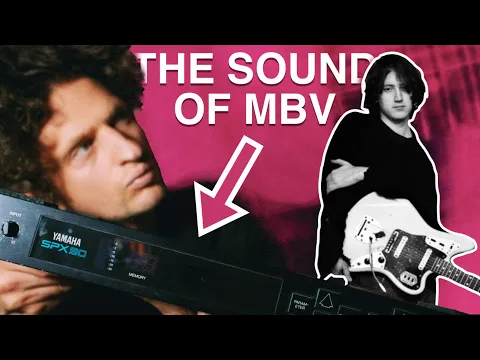
I have also found that many units (for example, the BOSS SE70 from 1993 or the Yamaha SPX90 from 1985) have such a unique character that they have their own sound, which is hard to replicate with modern DSP alone. Plus, they have many presets and user patches to play with, so you have plenty of options from a single unit.
However, some modern pedal makers (Catalinbread, Keeley, etc.) are now attempting to mimic these rack units with standalone pedals. These will be pedalboard-friendly and happy with a guitar signal at the input, but they tend to do just one or two effects, and you miss out on routing, MIDI, etc.
- +Exceptional value for money vs. modern boutique pedals
- +Unique sonic character from 1990s digital architecture
- +Deep MIDI implementation for instant preset recall
- +Studio-grade stereo routing and isolated FX loops
- +Dual tube preamp stages in many models
- −Signal-level matching requires careful gain staging and buffers
- −Built-in speaker emulation sounds dated without modern IR loaders
- −Larger footprint than modern pedalboards
- −Limited availability on secondhand market for rarer models
Why are vintage 1990s rack processors becoming popular again?
Boutique pedals now cost $250–$400 each, while 1990s rack units sell secondhand for $100–$300 and deliver dual tube preamps, MIDI switching, stereo outputs, and studio-grade processing—far more features per dollar than modern stompboxes.
What's unique about the sound of 1990s digital rack gear?
Early 16-bit converters and hybrid analog/digital chains created warm, lush character with subtle high-frequency roll-off. Unlike modern transparent modeling, vintage racks offer distinct sonic personality and extreme stereo separation ideal for ambient and shoegaze textures.
How do I integrate 1990s rack gear into a modern rig?
Match signal levels (instrument-level vs. line-level using buffers or DI boxes), leverage MIDI implementation for preset recall and real-time parameter control, and pair vintage preamps with modern IR loaders for studio-quality cabinet simulation.
Keep browsing

Get this stuff first.
Leaks, deals and reviews in your inbox, once a week. No spam, just gear.