Guitar Pickups Explained: A Beginner's Guide to Single-Coils, Humbuckers, and P90s
Learn the differences between single-coil, humbucker, and P90 pickups. A beginner's guide to choosing the right pickup for your tone and playing style.

Every electric guitar’s soul lives in its pickups. These magnetic wonders act as the primary translators of your tone, capturing physical string vibrations and converting them into the electrical signals that drive your amplifier. While tonewoods, hardware, and scale length all play their part, swapping your pickups is the single most drastic way to alter your instrument's sonic footprint.
If you are navigating the guitar market or looking to mod your current rig, you will immediately run into the big three: Single-Coils, Humbuckers, and P90s. Understanding the mechanical differences and EQ profiles of these designs is the key to unlocking your perfect tone.
Here is a comprehensive breakdown of the three most common electric guitar pickups, how they function, and where they belong in your mix.
Single-Coil Pickups: The Articulate Pioneer
The single-coil is the genesis of electric guitar tone. Developed in the 1920s and 30s to help lap-steel guitars cut through the dense mix of big band ensembles, the fundamental design remains beautifully simple: a single continuous wrapping of copper wire around magnetic pole pieces.

What Do Single-Coils Sound Like?
Single-coils are famous for their crystalline highs, glassy attack, and incredible string-to-string articulation. They occupy a higher frequency range, often featuring a scooped midrange that allows complex chords to ring out with distinct clarity.
Because of this snappy response, they are highly sensitive to playing dynamics. However, traditional single-coils are prone to picking up electromagnetic interference, resulting in the notorious "60-cycle hum" when idle or near stage lighting.

Gear Pairings & Famous Players
While synonymous with surf, country, and blues, single-coils are fiercely versatile. A Stratocaster neck pickup famously fueled the fiery, expressive leads of Jimi Hendrix.

Single-coils also make an incredible canvas for pedals. Pushing a single-coil with a premium, transparent overdrive—like an original Klon circuit—can perfectly thicken the lower-midrange without losing top-end sparkle. Alternatively, slamming them into a Big Muff fuzz creates a massive, sputtering wall of sound where the pickup's natural treble prevents the fuzz from turning into total mud.
Humbucker Pickups: The Heavyweight Champion
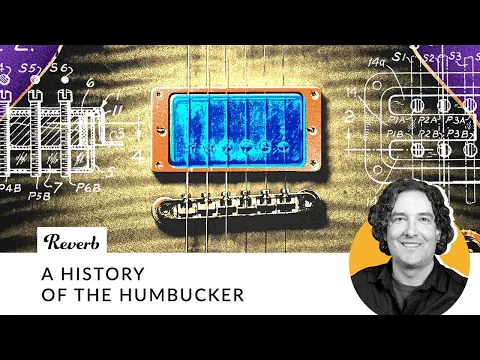
By the 1950s, guitarists needed a solution to the noisy 60-cycle hum of the single-coil. Engineers like Seth Lover at Gibson and Ray Butts at Gretsch independently arrived at the same brilliant conclusion: the humbucker.

What Do Humbuckers Sound Like?
Humbuckers wire two single-coils together in series, with the magnetic polarities and coil windings reversed. This design essentially phase-cancels the unwanted background noise—literally "bucking the hum."
Tonally, this dual-coil design creates a much higher output signal. Humbuckers sound thick, dark, and incredibly punchy. They push heavily into the lower and middle frequencies, rolling off the sharp treble associated with single-coils.
When you want to drive the front end of a valve amplifier into natural saturation or utilize heavy distortion, humbuckers remain incredibly tight and focused.

Gear Pairings & Famous Players
The humbucker is the undisputed king of hard rock and heavy metal, favored by legions of high-gain players. However, their warmth also makes them the gold standard for traditional jazz.

For those who want the hum-canceling benefits with a bit more top-end bite, the mini-humbucker is a fantastic alternative.
Often found on Firebirds, these narrower pickups deliver a fiery, focused midrange that perfectly suits the biting blues-rock style championed by legends like Johnny Winter.
P90 Pickups: The Gritty Middle Ground
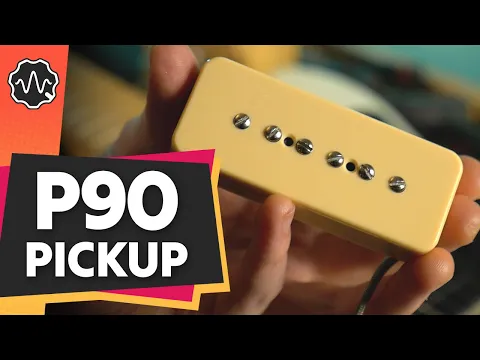
Often misunderstood as a hybrid, the P90 is actually a pure single-coil pickup, just built with a distinctly different architecture. Originally introduced by Gibson in 1946, it features a much wider, flatter bobbin than a standard single-coil, thereby placing the wire farther from the magnetic poles.

What Do P90s Sound Like?
The P90 sits squarely in the tonal crosshairs between the traditional single-coil and the humbucker. They retain the raw top-end clarity of a single-coil but pack a massive, aggressive midrange bark and a hotter output.
Because they are still a single-coil, they do hum, but that rawness is exactly why players love them. They are gritty, highly touch-responsive, and possess a wonderfully unrefined character when pushed into overdrive.
Gear Pairings & Famous Players
The P90 is the ultimate weapon for alternative rock, grunge, and punk. When you need to cut through a dense, swirling mix of modulation and distortion, the P90’s midrange push is unmatched.
Bands like Dinosaur Jr. and My Bloody Valentine have relied heavily on that specific frequency response to sculpt their massive walls of sound. Guitars equipped with triple-P90 configurations—such as the Yamaha SA503 Troy Van Leeuwen model—offer an absurd level of switching versatility (I still love mine, but it took me a while to get used to it), allowing for everything from hollow, phasey cleans to throat-grabbing alt-rock rhythms.

At a Glance: Pickup Comparison Breakdown
Use this quick-reference guide to match your desired tone and genre to the right pickup architecture.
| Feature | Single-Coil | Humbucker | P90 |
| Coil Design | Single bobbin | Dual bobbin (Reverse polarity) | Single bobbin (Wide/Flat) |
| Output Level | Low to Medium | High | Medium to High |
| EQ Profile | Bright, glassy, scooped mids | Warm, thick, heavy bass/mids | Punchy, gritty, aggressive mids |
| Noise Profile | 60-cycle hum | Hum-canceling (Silent) | 60-cycle hum |
| Best For | Pristine cleans, dynamic overdrive, articulate fuzz | High-gain distortion, warm jazz cleans, thick leads | Alt-rock rhythm, punk, fuzzed-out shoegaze |
The Final Verdict
There is no definitive "best" guitar pickup, only the right tool for the audio job at hand.
- Choose Single-Coils if you demand absolute clarity, pristine cleans, and dynamic sensitivity.
- Choose Humbuckers if your goal is a hum-free, high-output tone that handles heavy distortion and thick rhythm playing with ease.
- Choose P90s if you want to bridge the gap, bringing midrange muscle and vintage grit to your alternative and rock mixes.
If you would like to know more about various guitar pickup types, then read our Guitar Pickups: The Definitive Guide for Beginners.
What is the difference between single-coil and humbucker pickups?
Single-coils feature one coil with bright, glassy highs and articulate tone, but are prone to 60-cycle hum. Humbuckers use two reversed coils that cancel hum, delivering thicker, warmer tones with higher output ideal for distortion and heavy genres.
Are P90 pickups single-coils or humbuckers?
P90s are single-coils with a wider, flatter bobbin design. They retain single-coil brightness while adding aggressive midrange punch and higher output than traditional single-coils, bridging the tonal gap between single-coils and humbuckers.
Which pickup type is best for high-gain and metal?
Humbuckers are the gold standard for high-gain and metal. Their thick, warm tone, high output, and tight response when pushed into distortion make them ideal for driving valve amps and handling heavy distortion without losing clarity.
What genres suit P90 pickups?
P90s excel in alternative rock, grunge, punk, and shoegaze. Their gritty character, midrange bark, and raw tone cut through dense mixes of modulation and distortion, making them perfect for creating massive walls of sound in these genres.
Keep browsing

Get this stuff first.
Leaks, deals and reviews in your inbox, once a week. No spam, just gear.