Yeti 2 USB Mic: Next-Gen Hero for Home Recording?
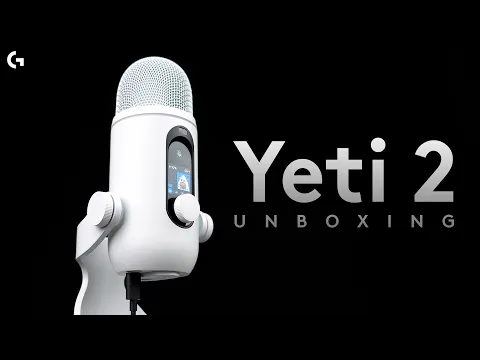
The Logitech Yeti 2 USB mic records at 24-bit/48kHz with AI de-noising and 3D proximity tracking. A major upgrade for home recording and bedroom

The internet's most famous microphone just got a massive upgrade. The newly announced Logitech Yeti 2 is here, and while its predecessor dominated the podcasting and streaming world, this new iteration packs features that should make home studio enthusiasts and bedroom guitarists pay serious attention.
High-Fidelity Acoustic Tracking
If you've ever tried to capture a quick acoustic guitar demo on a standard USB mic, you know the struggle. The Yeti 2 steps up for musicians with a redesigned 3-capsule array. More importantly, it now records at 24-bit / 48 kHz.
This high-fidelity resolution helps you capture the natural, nuanced transients of acoustic instruments and the full dynamic range of vocal takes—delivering a premium studio microphone experience without a bulky external audio interface.
Smart Tech for Untreated Rooms
Let's face it: most home studios are just bedrooms with bad acoustics, street traffic, and a humming computer fan. The Yeti 2 tackles this head-on with an AI-powered de-noiser. Featuring multiple strength levels, it actively removes unwanted room noise so your riffs and vocals cut through clearly.

Voice Proximity
Even cooler for players who naturally move around while they track is the new Voice Proximity Sensor. This 3D tracking tech operates within a 2-meter radius and automatically adjusts gain, EQ, and pickup patterns 48,000 times a second. Whether you lean back during a heavy strumming section or lean in for an intimate vocal line, your levels stay perfectly consistent.

Zero-Latency Workflow & Blue VO!CE
The Yeti 2 keeps things simple with a plug-and-play USB-C connection—meaning no mixer or preamp needed. A brand-new 1.3-inch color LED display provides instant visual feedback on your audio, removing the guesswork from your gain staging so you can stay focused on your performance.
Need to tweak your tone? The built-in 10-band EQ and onboard Blue VO!CE digital signal processing let you sculpt your sound directly on the hardware. It comes with five preloaded onboard presets developed by audio engineers, with a massive library of community tones available via the G HUB software to dial in your exact sound.
Key Specs Overview
- Audio Resolution: 24-bit / 48 kHz
- Capsule: Redesigned 3-capsule array
- Frequency Range: 20 Hz to 20 kHz
- Max SPL: 129 dBSPL at 10% THD (plenty of headroom for loud vocals or amp cabs)
- Connectivity: USB-C (Plug and Play)
- Hardware: Die-cast housing and stand, laminated glass LED display, touch mute
- Finishes: Available in Black or White finishes
For musicians looking to streamline their songwriting workflow without sacrificing audio quality, the Yeti 2 is looking like a serious contender for the ultimate desktop setup.
Yeti 2 vs. The Original Classic
How does it stack up against the original Blue Yeti that started the USB mic revolution? While the first-generation Yeti was a reliable workhorse that defined a decade of internet audio, the Yeti 2 feels like a genuine generational leap for musicians.
The dated USB connection and 16-bit ceiling are gone, replaced by modern USB-C and a pristine 24-bit/48kHz resolution that captures far more dynamic range. The original's static pickup patterns required you to stay perfectly stationary and on-axis, but the Yeti 2's new 3D proximity tracking lets you move naturally while performing.
Add in the AI-powered de-noising to kill amp hum and untreated room reflections, and it’s clear this isn't just a streamer’s toy. Whether you're belting out aggressive rock vocals, laying down a delicate acoustic guitar progression, or capturing a quick riff idea, the Yeti 2 delivers a massive upgrade in both studio clarity and plug-and-play convenience.
I've used the original Yeti on many recordings and love its convenience and simplicity, so this updated model could be great for guitarists and musicians who want to get tracks down quickly for demos and recordings.
If you need some guidance on recording an acoustic guitar whilst singing, read our guide here.
Grab yours here:
- +24-bit/48kHz high-fidelity recording captures natural instrument transients
- +3D proximity tracking automatically adjusts gain and EQ within 2-meter radius
- +AI-powered de-noiser removes room hum and background noise
- +10-band EQ and Blue VO!CE onboard DSP for immediate tone shaping
- +129 dB SPL headroom handles loud vocals and amp cabinets without clipping
- +USB-C plug-and-play eliminates need for external audio interface
- +Includes five preloaded presets plus community tone library via G HUB software
- +1.3-inch LED display provides real-time audio feedback
What are the main improvements of the Yeti 2 over the original Blue Yeti?
The Yeti 2 upgrades to 24-bit/48kHz audio (from 16-bit), adds USB-C connectivity, features a redesigned 3-capsule array, and introduces AI-powered de-noising and 3D proximity tracking. The original's static pickup patterns are replaced by automatic gain and EQ adjustment within a 2-meter radius, eliminating the need to stay perfectly stationary while performing.
Can the Yeti 2 capture loud amp cabinets without clipping?
Yes. The Yeti 2 has a maximum SPL of 129 dB at 10% THD, providing plenty of headroom for loud vocals and amp cabs, so you can capture aggressive performances without distortion or gain staging headaches.
Is the Yeti 2 good for recording acoustic guitar?
Yes. The redesigned 3-capsule array and 24-bit/48kHz resolution capture the natural transients and dynamic range of acoustic instruments. The AI de-noiser removes room noise and hum, and the proximity tracking keeps levels consistent as you move, making it ideal for bedroom acoustic demos.
Keep browsing

Get this stuff first.
Leaks, deals and reviews in your inbox, once a week. No spam, just gear.