

If you have been chasing that lush, slightly lo-fi digital reverb sound of the 1980s and 90s, Catalinbread has just released your new secret weapon. Meet the Catalinbread CB Paint Late 1900s Reverberator, a pedal that painstakingly recreates the magic of the legendary Alesis Microverb while fixing all the headaches of integrating vintage rack gear into a modern rig.
The Inspiration: Capturing the Alesis Microverb
Back in the day, studio-quality digital reverb was a massive, expensive undertaking. The Alesis Microverb changed the game by putting lush digital reverb in the hands of the everyperson. To hit that form factor and price point, Alesis had to cut some corners—resulting in unique reflection filters and a distinct sonic footprint that remains highly sought after today.
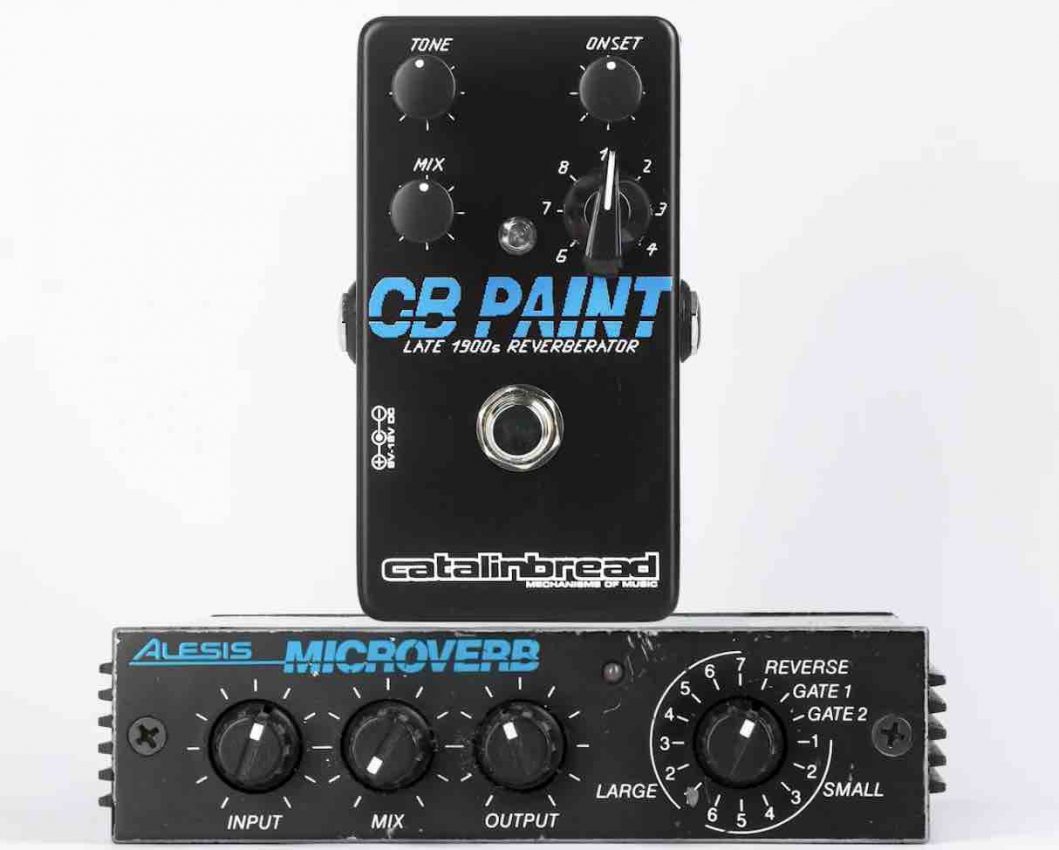
Catalinbread has embraced these “cut corners,” capturing the exact filtering and processing methods of the original rack unit without the hassle of vintage power supplies or line-level impedance matching.

Modern Amenities for the Modern Pedalboard
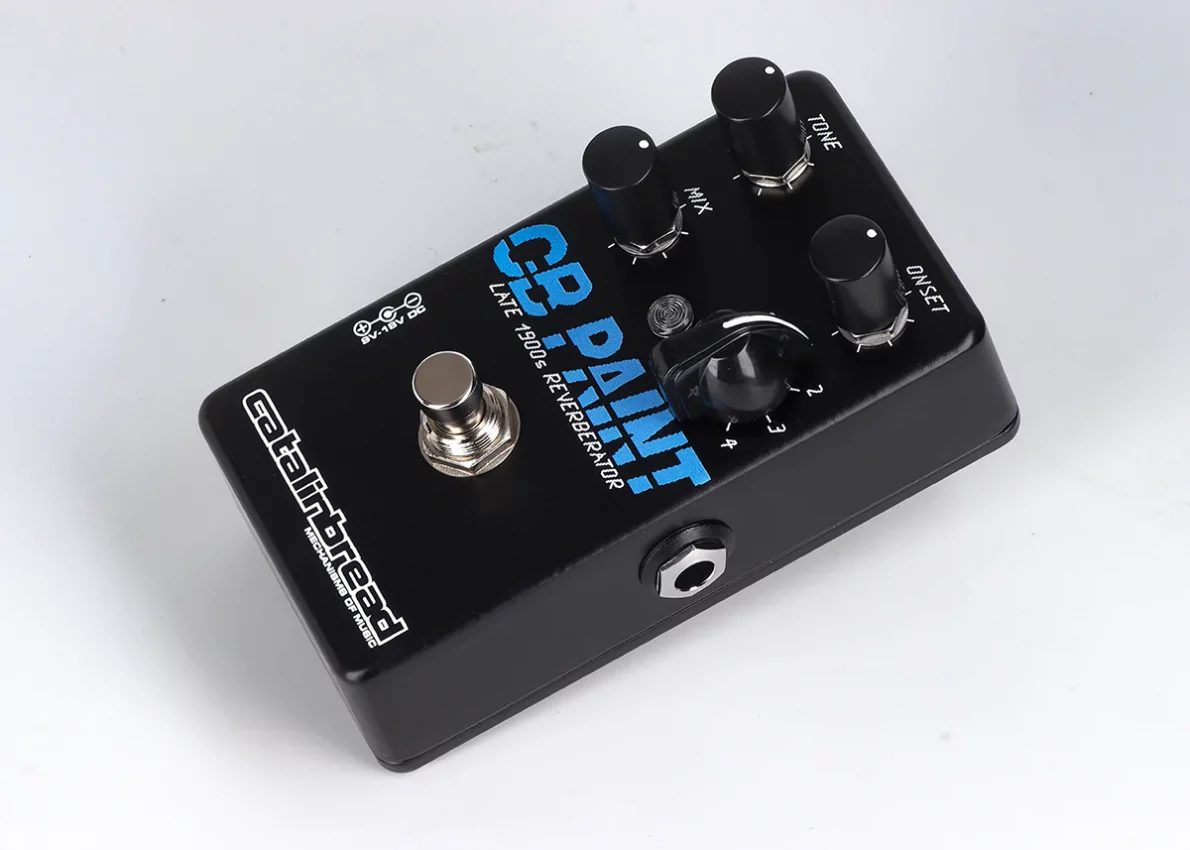
While the core algorithms are pure retro, the CB Paint brings several tasteful modern upgrades to the table. Catalinbread has outfitted this pedal with four highly musical controls to help you sculpt your space:
-
Mode: An 8-way rotary switch that selects between the pedal’s distinct reverb patches.
-
Mix: Dictates your wet/dry blend. Dial it all the way back for your pure dry signal, or crank it to maximum for a 100% wet, fully reverberated sound.
-
Tone: A 2-pole low-pass filter that softens high peaks. Turn it up for a bright splash, or roll it down for dark, brooding ambience.
-
Onset (Pre-Delay): Controls how long the reverb takes to kick in after your initial pick attack, maxing out at around 200ms. In Gate Mode, this controls the gate time. In Reverse Mode, it dictates the amount of “smearing” applied to the reverse sound to help it sit better in a mix.
The 8 Reverb Patches Explained
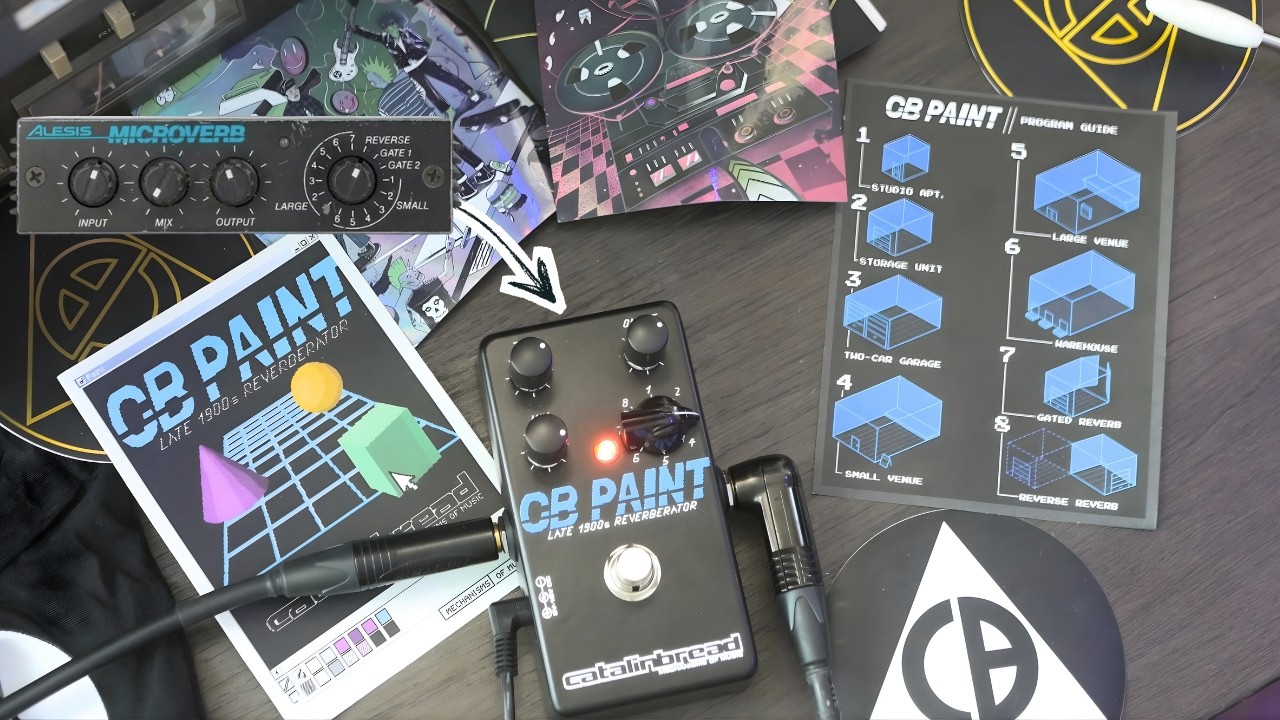
The Catalinbread Paint features eight distinct modes, specifically curated from the original Microverb’s most memorable sounds:
-
Patches 1–6 (Rooms & Halls): These are direct ports of the original patches, keeping the quirky processing methods perfectly intact. As you move from 1 to 6, both the room size and decay time increase sequentially—ranging from a tight, small room to a massive, lingering wash.
-
Patch 7 (Gated Reverb): A quintessential sound of late-1900s music. Invented just five years before the original Microverb, this mode delivers that iconic, explosive-yet-abrupt snare and guitar sound that defined the 80s.
-
Patch 8 (Reverse Reverb): Instead of simply playing the audio backwards, this algorithm uses mathematical techniques to reduce the reverb’s reflective properties. This results in a distinct, rushing “bloom” that is entirely unique to the Microverb’s architecture.

The Verdict
Overall Rating: 4.5/5
The Catalinbread Paint Late 1900s Reverberator is a triumph of nostalgic engineering. It isn’t trying to be the most pristine, high-fidelity modern reverb on the market; instead, it leans heavily into the charming, slightly gritty, and immensely musical artifacts of early digital rack gear.
If you are looking for lush, atmospheric tones, 80s-style gated snare/guitar effects, or shoegaze-ready reverse washes—all with modern Mix and Pre-delay controls—the CB Paint is an absolute steal at $209.99/£189.99.

Frequently Asked Questions (FAQ)
What is the Catalinbread Paint pedal based on?
The CB Paint is a meticulous recreation of the Alesis Microverb, a highly popular, budget-friendly digital reverb rack unit from the late 1980s.
Is the Catalinbread Paint analog or digital?
Like the original rack unit it pays homage to, the Catalinbread Paint is a digital reverb pedal.
What does the Onset knob do?
Standardly, it acts as a pre-delay, controlling how long it takes for the reverb to trigger (up to ~200ms). However, its function changes depending on the mode: it controls gate time in Patch 7 (Gated), and the “smear” effect in Patch 8 (Reverse).
Does it have a 100% wet mode?
Yes. By turning the Mix knob to its maximum setting, you will hear only the reverberated signal, making it perfect for parallel effects loops or deep ambient swells.
More Information
#Catalinbread #CB Paint
This article may contain affiliate links to Andertons, DeathCloud, Donner, Fender, Gear4Music, Positive Grid, Stew Mac, Sweetwater, and Thomann that help finance the running costs of GuitarBomb. We will receive a small commission if you buy something through these links. Don’t worry; you pay the same price, and it costs you no extra to use these affiliate links for your purchases.


One thought on “Catalinbread CB Paint Review: The Late-1900s Reverberator Bringing Alesis Microverb Magic to Your Pedalboard”
Don’t like the graphics and absolutely hate the jack and power supply placement.