

The crux of crafting your signature guitar tone is knowing which tools are right for the job. You wouldn’t reach for a sledgehammer when a finishing hammer will do, and the same logic applies to your guitar rig.
If you’re hauling amps every weekend, a reasonably sized combo amp—a self-contained amplifier with an integrated cabinet and speakers—can save your back and your sanity. On the other hand, if you crave maximum output and modular versatility for fly dates or studio bookings, a separate amp head and speaker cabinet (a stack) might be exactly what the doctor ordered.
Not sure whether to invest in a combo or a stack for your next amplifier? Let’s break down the pros and cons of each so you can make the right choice for your sound and your back.
The Combo Amp: Grab-and-Go Greatness
A combo amp houses the amplifier circuitry and the speaker(s) within a single wooden enclosure. From classic Fender Twins to modern modeling rigs, combos have been the backbone of gigging musicians for decades.
The Pros
-
Ultimate Portability: No amp is better suited for pickup gigs, open mics, and impromptu practices than the humble combo. Guitar in one hand, amp in the other, and a pedalboard slung over your shoulder—it’s the single-tripper’s best friend.
-
A Finely Tuned “Closed System”: The combo paradigm enables amp designers to fine-tune the tone and response of every part of the amp. They marry the circuitry, speaker, and cabinet for ideal performance right out of the box.
-
Primo Reverb Platforms: It’s no coincidence that many players’ preferred reverb platform is a combo. Because the physical reverb tank can be mounted at the bottom of the cabinet—far away from the amp’s noisy power transformers—combos often yield the cleanest, lowest-noise spring reverb sound.
The Cons
-
They Can Be Cumbersome: Ever tried to haul an all-tube 2×12 combo up a flight of stairs? Those large-magnet speakers, solid wood chassis, and heavy tube circuitry pack on the pounds. Squeezing it all into one trip is a workout.
-
Limited Versatility: The same closed system that makes combos great out of the gate can leave you feeling locked in down the road. You can swap the speaker, but you’re still limited by the fixed cabinet’s geometry and construction.
-
Tougher on Tubes: Combos produce big sound pressure levels (SPLs) in small packages. Those intense vibrations rattle your tubes and every other component in the cabinet, which can shorten tube lifespans and lead to audible chassis rattling.
The Amp Stack: Modularity and Muscle
A stack separates the components into two or more pieces: the amplifier head (the brains and power) and the speaker cabinet (the voice).
The Pros
-
Maximum Output and Versatility: Stacks offer incredible modularity. Want to drive two 4×12 cabinets onstage to move serious air? Want to mix and match different speakers for a custom tonal blend? A standalone amp head makes this incredibly elegant and easy.
-
Superior for Studio Settings: Recording engineers love amp heads. In professional studios, heads are often kept in the control room while the cabinets are mic’d up in the live room. This lets you tweak amp settings from the sweet spot while hearing exactly what the microphones are capturing.
-
More Flavors for Less Dough: Once you own a high-quality speaker cab (or an IR loader), you can buy multiple amp heads to expand your tonal palette without giving up half your living room space to massive combo boxes.
The Cons
-
Missing the “Vibe”: Sometimes, an amp head just doesn’t carry the visual mojo of its combo counterpart. Picture Brian May’s wall of AC30 combos or Neil Young with his Tweed Deluxe. Sometimes, the aesthetic and feel of a combo are crucial to the performance.
-
You Always Need a Cab: Unless you have a modern head with a built-in reactive load, you must plug a speaker cabinet into your tube amp to run it safely. Splitting the weight into two trips is nice, but it adds another bulky piece of gear to haul.
-
More Gear to Forget: If you’ve ever shown up to a gig and frantically realized you forgot your dedicated speaker cable or IEC power cord, you know the struggle. Stacks require a bit more organizational diligence when packing the van.
Quick Comparison: Combo vs. Stack
| Feature | Combo Amp | Amp Stack |
| Portability | High (1 heavy trip) | Medium (2+ lighter trips) |
| Modularity | Low (fixed cab design) | High (easy cab swapping) |
| Studio Routing | Good | Excellent |
| Maintenance | Higher (vibration wear) | Lower (isolated components) |
| Visual Footprint | Compact | Large / Imposing |

Frequently Asked Questions (FAQ)
Can I connect a combo amp to an external speaker cabinet?
Yes! Many combo amps feature an “Extension Speaker” output on the back panel. This allows you to run the combo’s internal speaker alongside an external cabinet, effectively giving you a mini-stack. Just be sure to match the impedance (Ohms) correctly to avoid damaging your amp!
Are combo amps loud enough for gigging?
Absolutely. A 15-to-20 watt tube combo amp is generally plenty loud to keep up with a heavy-hitting drummer in a club setting. If you’re playing in massive venues, your amp will be mic’d and run through the PA system anyway, so stage volume is largely unnecessary.
What is the difference between a “half stack” and a “full stack”?
A half stack consists of one amplifier head sitting atop one speaker cabinet (traditionally a 4×12 cab). A full stack consists of one amplifier head sitting atop two speaker cabinets, creating the towering “wall of sound” associated with arena rock.

The Verdict: Which Should You Choose?
To boil it all down: if you’re a gigging warrior who is hauling gear every Friday night, or if you just want a reliable rig that’s ready to plug-and-play at a moment’s notice, you should strongly consider a combo amp.
If you crave maximum output onstage, love tweaking and experimenting with different speakers, or spend a lot of time recording in the studio, a separate head and cab stack is likely the way to go.
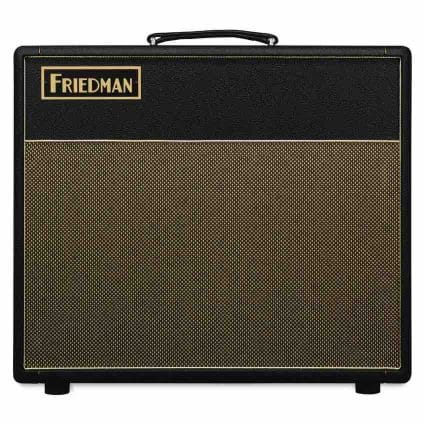
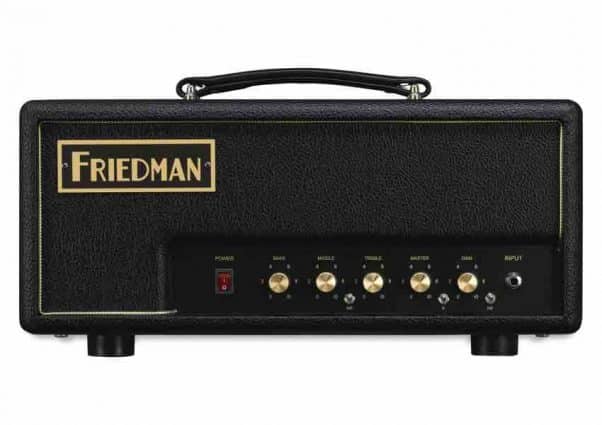
The Marshall stack and Fender Twin in the main image are what many guitarists think of when debating this question; smaller wattage tube amps are far more prevalent these days and available in both combo and stack formats. I purposely chose the Friedman Pink Taco 20-watt combo and amp head (I also own an original V1 Pink Taco head, so I’m biased) images in this article to try to illustrate that you don’t have to be running 100-watt or 50-watt amps for this ‘amp logic’ to apply.
My personal taste for amps is 20-watt to 50-watt amp heads and separate cabinets, as I like the ease of transportation. I also own a few combo amps, though I mainly use them at home or in the studio.
Of course, there are no hard and fast rules in rock ‘n’ roll, and the journey is half the fun. Play what works for your back and your ears until it doesn’t!
#combo amp #amp stack #amp head #speaker cabinet
This article may contain affiliate links to Andertons, DeathCloud,Donner, Fender, Gear4Music, Positive Grid, Stew Mac, Sweetwater, and Thomann that help finance the running costs of GuitarBomb. We will receive a small commission if you buy something through these links. Don’t worry; you pay the same price, and it costs you no extra to use these affiliate links for your purchases.


