

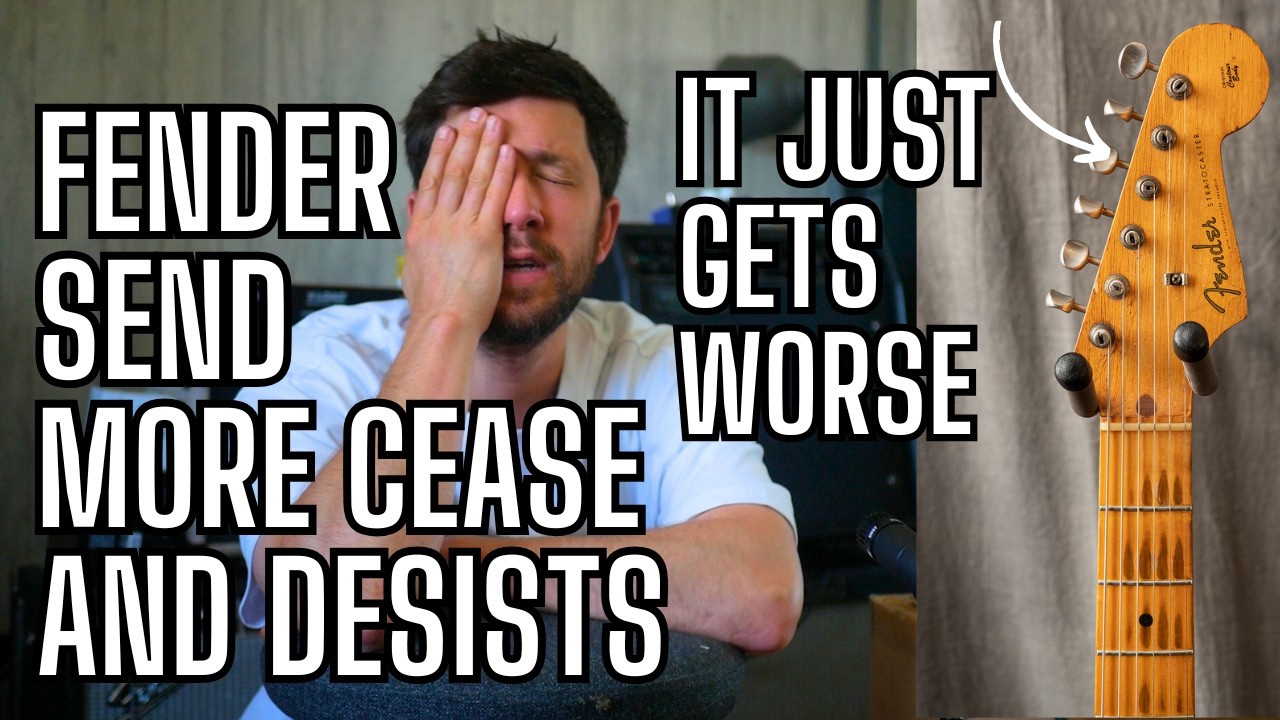
Fender’s legal team is cracking down on second-hand guitar dealers over trademark infringement. Read how one Aussie vintage shop, Cool Old Guitars, responded with “Twang-Style” rebrands.
The second-hand and vintage guitar market is bracing for impact as corporate legal departments set their sights on independent retailers.
Cool Old Guitars
In a move that has sent many musicians to comment through online forums like The Gear Page, Fender Musical Instruments Corporation (FMIC) is actively policing how its brand names and iconic body styles are represented by independent shops selling used gear.
The latest flashpoint comes from Australia, where prominent independent dealer Cool Old Guitars (COG) recently went public after receiving a formal cease-and-desist warning from Fender’s legal representation.

The Legal Notice: Protecting the Brand or Overreaching?
According to an official statement published by Cool Old Guitars, Fender’s lawyers expressed deep concern over how the shop presented its second-hand inventory.
The legal notice alleged that the listing methods used by COG could potentially “mislead, deceive or otherwise confuse Australian guitarists” into believing they were purchasing authentic Fender instruments, when they were actually looking at unauthorized third-party builds, modified “partscasters,” or vintage Japanese replicas.
Fender’s legal aggressively protects its core intellectual property—specifically the trademarked names Stratocaster, Telecaster, and their distinct headstock silhouettes.
While the “First Sale Doctrine” generally protects a consumer’s right to resell a legally purchased, authentic product, the legal grey area widens significantly when independent shops list modified instruments, custom builds with replica decals, or vintage “lawsuit era” knockoffs using trademarked terminology in their search listings.
“Twang-Style” Guitars: COG’s Sarcastic Rebrand
Rather than entering a costly legal battle with a global powerhouse that has dominated the industry for over 70 years, Cool Old Guitars chose a different path: malicious compliance mixed with a heavy dose of rock-and-roll sarcasm.
The shop updated its official policy page with a blunt notice detailing their compliance strategy going forward:
“We got an email from a lawyer representing a large company… stating that they are concerned that the manner in which COG is presenting and offering for sale its second-hand stock infringes their trade mark rights…
So going forward we’ve made some changes. If it’s a Fender Telecaster, we will call it a Telecaster. If it’s a misleading and deceitful knockoff, we will call it a Twang-Style guitar.
Sorry for the inconvenience this has caused, if you purchased a Twang-Style guitar believing you were buying a Fender, you’re a moron we’re sorry.”
The tongue-in-cheek response perfectly highlights the growing frustration among boutique shop owners who feel that corporate trademark policing is separating players from historical context, especially when dealing with vintage Japanese instruments from the 1970s and 80s (such as Tokai, Greco, or Fernandes) which have long been part of the vintage community’s ecosystem.

The Gear Page Reacts: “Where is this to end?”
Unsurprisingly, the guitar community has erupted into fierce debate. A massive thread on The Gear Page titled “Fender now going after dealers of used instruments where is this to end?” has racked up hundreds of comments from anxious players, collectors, and independent builders.
The community reaction generally falls into two camps:
-
The Pragmatists: Point out that Fender is legally obligated to defend its trademarks, or risk losing them. With the explosion of high-quality counterfeit decals on sites like AliExpress and the rise of “partscasters” being passed off as genuine USA models, buyers do need protection from deceptive listings.
-
The Enthusiasts: Argue that this is corporate overreach targeting small businesses. Many fear it could lead to platforms like Reverb, eBay, or independent websites algorithms flagging and deleting legitimate used listings simply for using descriptive terms like “Strat-style” or “T-style.”
This isn’t the first time a major guitar brand has clamped down on the industry—Gibson’s long-running legal battles with Dean Guitars and various boutique builders over body shapes have been a major talking point for years.
However, targeting how independent brick-and-mortar or boutique web shops list actual second-hand inventory marks a contentious new chapter in gear retail.
For now, players looking for non-Fender single-coils on the secondary market might need to get used to scanning listings for terms like “S-style,” “T-style,” or, if COG’s new vocabulary catches on, a fine vintage “Twang-Style” machine.
Our Thoughts
Guitar Bomb would encourage any musicians in Australia to buy a used guitar from Cool Old Guitars.
Sydney: 14/33 College St, Gladesville
Brisbane: 600 Stanley St, Woolloongabba
Support your local business and music scene by buying used.
You can see their current inventory from the link below.
Be sure to follow their Instagram and Facebook accounts, and share these with friends and family to help them grow.

#Cool Old Guitars #Fender
This article may contain affiliate links to Andertons, DeathCloud, Donner, Fender, Guitar Center, Positive Grid, Reverb, Sweetwater, and Thomann that help finance the running costs of GuitarBomb. We will receive a small commission if you buy something through these links. Don’t worry; you pay the same price, and it costs you no extra to use these affiliate links for your purchases.


