Is a £4000 Stratocaster Worth the Cost?
Why do high-end Stratocasters cost £4,000? Explore wood grading, hardware quality, labor costs, and the law of diminishing returns in guitar pricing.

You walk into a guitar shop, your eyes immediately drawn to a masterfully reliced Stratocaster hanging behind the counter. You flip the tag over: £4,000. Naturally, you gawk at such an outrageous price. Surely a block of wood and some wires couldn’t possibly justify that kind of money, especially when a perfectly playable Squier sits just a few feet away for a fraction of the cost?
There are several distinct reasons why a high-end model can easily cost five—or even ten—times more than midrange guitars produced by the likes of Fender, Gibson, PRS, ESP, and Jackson. But how much of that price is physical quality, and how much is just prestige? Let's take a deep dive under the hood.
£4000 Stratocaster
For us in the UK, that final sticker price is even steeper because it includes the inevitable 20% Value Added Tax (VAT), which is a significant chunk.
Even so, it's a massive number. Surely a block of wood, some precisely wound magnets, and a length of wire can't possibly justify four grand, especially when a perfectly playable Squier sits just a few feet away for a fraction of the cost? It’s the ultimate guitar-buying quandary.
So, what exactly are you paying for? Is the price tag truly indicative of physical, tangible quality, or are you just paying for the prestige and history?
I've included some images and links to S-style guitars at extreme ends of the price scale; all are available in the UK from Andertons.
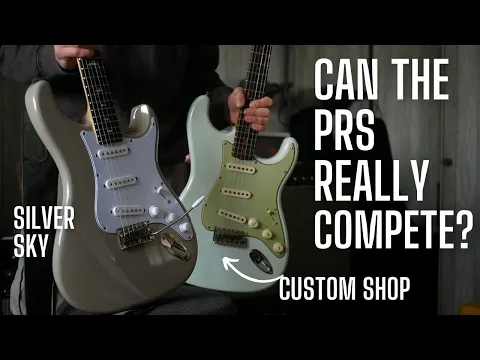
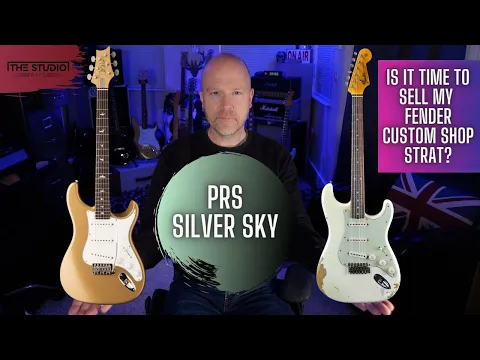
Obviously, the Fender Custom Shop Stratocasters are the top-tier in terms of price, and I've included the PRS Silver Sky as an alternative to Fender, as PRS has a fantastic reputation for consistency, plus they do a high-end US-built Core version and a more affordable SE version.
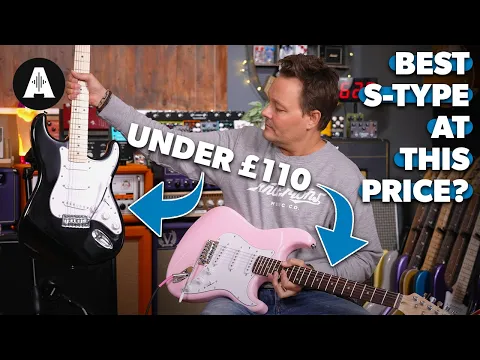
Finally, the Eastcoast model is the most affordable model I could find, and I've included it to show that you can find a great S-style guitar for very little money.
1. Appearance, Materials, and the Scarcity of "Musical" Timber
The most immediate differentiator is visual. The foundation of any premium instrument begins long before it hits a workbench—it starts in the forest.
While a £300 guitar might use multi-piece bodies glued together from readily available, fast-growing species like Poplar, Basswood, or Nato, premium guitars utilize strictly graded cuts.
- Wood Grading: Figured woods (like Flamed or Quilted Maple) are graded from A to AAAA based on the intensity and consistency of their grain patterns. A thick, AAAA-grade carved Maple top alone can cost a manufacturer hundreds of pounds to source.
- Scarcity and Regulations: Highly sought-after woods like Brazilian Rosewood are heavily restricted under CITES (the Convention on International Trade in Endangered Species). Only companies with decades-old, legally harvested reserves can use them, thereby driving prices up exponentially.
- The Finish: Budget guitars are typically coated in thick Polyurethane—it dries in hours and is practically bulletproof. High-end guitars (like Custom Shop Fenders and Gibson Murphy Labs) use Nitrocellulose lacquer. "Nitro" takes weeks to apply, cure, and polish. It is incredibly labor-intensive but ages beautifully over time.

Fender Custom Shop '65 Stratocaster Heavy Relic in Aged Inca Silver over Oxblood at Andertons
2. The Engine Room: Hardware and Electronics
Hardware is the secondary price hike. Usually, for guitars under £800, hardware such as the bridge, tuners, pickups, and internal controls are mass-produced by the manufacturers themselves (or unbranded overseas factories) to keep profit margins healthy.
When you move into the premium tier, every single piece of metal matters:
- The Metal Alloy: Cheap hardware is often made of "pot metal" (zinc alloys), which degrades over time and robs the guitar of sustain. Premium bridges and saddles are milled from solid brass, cold-rolled steel, or lightweight titanium.
- Tuning Stability: High-end models feature locking tuners from dedicated engineering brands such as Gotoh, Hipshot, or Schaller with incredibly high gear ratios (such as 18:1) for pinpoint accuracy.
- The Wiring: Under the pickguard, an expensive guitar won't have cheap dime-sized potentiometers. It will feature hand-wired CTS or Bourns pots, Switchcraft output jacks, and premium capacitors (such as Orange Drop or Paper-in-Oil). These parts ensure the volume and tone knobs roll off smoothly without degrading the treble frequencies.

3. Location, Labor, and the Luthier's Touch
The country of origin is arguably the largest factor in an instrument's final price tag, and it comes down entirely to economics and labor laws.
Production-line models from South Korea, Indonesia, and China are mass-produced using highly efficient CNC (Computer Numerical Control) machines and conveyor-belt finishing systems. A single factory might pump out thousands of guitars a day, with workers specialized in a single task performed repeatedly.
Conversely, premium instruments built in Japan, North America, and Western Europe involve vastly higher labor costs and overhead.
- The Master Built Difference: A Fender Custom Shop "Masterbuilt" guitar is handled primarily by one single luthier from raw wood selection to final setup. This process can take the better part of a year. You are paying for decades of accumulated expertise—the luthier is treating the instrument as a piece of functional art.
- Setup Technology: High-end brands often run their necks through a PLEK machine—a £100,000 computer-guided robotic tool that levels the frets under actual string tension to an accuracy of 1/1000th of a millimeter, ensuring microscopic perfection.

PRS John Mayer SE Silver Sky Maple Electric Guitar in Summit Purple at Andertons
4. The Sound Test: Does Expensive Actually Sound Better?
The correlation between price and sound is much stronger in the acoustic guitar market than in the electric guitar market.
Because an acoustic is essentially a wooden speaker box, the quality of the solid spruce or cedar top dictates the entire voice. Premium acoustics often use torrefaction (baking the wood in an oxygen-free kiln to remove moisture and crystallize the resins), making a brand-new guitar sound like a 60-year-old vintage classic.
For an electric guitar, tone is heavily dominated by the electronic signal. The magnetic pickups are the heart of the instrument.
- Scatter-Winding: Cheap pickups are wound incredibly fast by machines, creating a uniform, tight coil that can sound sterile. Premium boutique pickups are often "scatter-wound" by hand. The slight inconsistencies in the winding pattern lower the internal capacitance, resulting in a more open, articulate, and dynamic tone.
- The Acoustic Resonance: Even on an electric, the physical build matters. A perfectly cut bone nut improves natural open-string sustain, while strategic internal weight relief (chambering the mahogany body) can shift the instrument's resonant frequencies, making it bloom differently when amplified.

Eastcoast ST1 Electric Guitar In Drab Olive Green With Rosewood Fretboard at Andertons
5. The Ultimate Differentiator: Feel and Playability
You can swap pickups in a cheap guitar, but you cannot easily fake the feel of a high-end build. The biggest difference between a £400 and a £4,000 guitar is what happens when you close your eyes and run your hands over the neck.
- Fretwork is King: On a premium guitar, the fretboard edges are meticulously rolled (sanded and softened) to feel like a pair of well-worn jeans. The fret ends themselves are filed into smooth "hot dog" spheres. If you slide your hand up a cheap neck and feel sharp metal scratching your skin (fret sprout), it's a dead giveaway of factory-line rushing.
- Fret Material: Many modern premium guitars use Stainless Steel frets instead of traditional nickel-silver. Stainless steel is incredibly difficult and time-consuming to work with, quickly wearing out luthier tools, but it provides a glassy-smooth bending surface and essentially never wears out.
6. The Verdict: Premium Stratocasters and Diminishing Returns
So, if a Custom Shop guitar costs ten times more than a midrange model, is it ten times better?
According to almost any seasoned professional, the answer is no. Guitars suffer heavily from the Law of Diminishing Returns.
Once you cross the £1,000 to £1,500 threshold, the actual, tangible improvements in tone and playability become incredibly subtle. A £1,500 guitar will get you 95% of the way to tonal perfection. That remaining 5%? That’s what costs the extra £2,500.
When you spend £4,000, you are no longer strictly paying for functional upgrades; you are paying for luxury. You are funding the high cost of Western labor; you are paying for aesthetically exclusive woods that look stunning under stage lights, and yes—you are paying a "brand tax" for the history and prestige associated with the Fender or Gibson logo on the headstock.
Final Thoughts
A guitar is only worth what you are willing to pay for it, and the market dictates those prices. There are exceptions—a 1959 Gibson Les Paul Standard can command over £250,000. That price has nothing to do with it being the "best playing" guitar on earth; it is an incredibly rare, historical artifact.
As a guitarist, I love that a musician can purchase a high-quality, super affordable guitar like the Eastcoast ST1. I would highly recommend watching the Milehouse Studios video review below; just be mindful that he uses some colorful language ("Special Wave").
Then we have brands like PRS offering fantastic alternatives, with both affordable and high-end options. I included them, as they are a brand with a solid reputation for excellence. Yes, I could have chosen Schecter, Ibanez, Yamaha (all fantastic guitar brands), and more, but it would have made this article far too long.
Why look at £4k Custom Shop Stratocasters? I would say the Fender Custom Shop can build you the guitar of your dreams, and £4k is really just the starting point. As they will take on custom 'one-off' orders, you can go completely bespoke and as wild as you like when ordering a guitar from them.
They are also available worldwide, unlike some luthier-made boutique guitars, which can be far harder to source in some parts of the world. Fender has great worldwide distribution, so you can find them relatively easily.

PRS John Mayer Silver Sky Rosewood Fingerboard Electric Guitar in Tungsten at Andertons
High Cost, High Quality?
Is there a correlation between price and quality? Absolutely. The more you pay, the better the materials, the more flawless the fretwork, and the more refined the hardware will be.
However, thanks to modern CNC manufacturing, a £99 guitar today is vastly superior to budget guitars from 30 years ago. With a great setup, an affordable workhorse can tour the world.
Is there a correlation between how much you love a guitar and its price tag? Never. The best guitar in the world is simply the one that makes you want to pick it up and play.


- +Figured wood aesthetics age beautifully under stage lights
- +Nitrocellulose finish develops character over decades
- +Masterbuilt construction ensures meticulous fretwork
- +PLEK machine fretwork accuracy (1/1000th mm)
- +Hand-wired electronics with premium components
- +Locking tuners from Gotoh/Hipshot for tuning stability
- +Scatter-wound pickups offer articulate, dynamic tone
- −Law of diminishing returns kicks in after £1,500
- −Western labor costs inflate final price significantly
- −£4,000 buys luxury aesthetics more than functional superiority
- −Nitrocellulose finish requires careful maintenance vs. polyurethane
- −Brand prestige tax inflates price beyond material quality
What makes a £4,000 guitar worth 10 times more than a £400 guitar?
Premium guitars use AAAA-grade figured woods, nitrocellulose lacquer (labor-intensive finish), solid brass or titanium hardware, hand-wired CTS potentiometers, masterbuilt construction by experienced luthiers, and robotic PLEK fretwork accurate to 1/1000th of a millimeter. Budget guitars use fast-growing woods, polyurethane finishes, mass-produced hardware, and conveyor-belt assembly. Much of the price difference reflects Western labor costs and exclusivity rather than functional superiority.
Do expensive guitars actually sound significantly better?
Electric guitars show weaker price-to-tone correlation than acoustics. Beyond £1,500, improvements are subtle: scatter-wound pickups offer marginally more articulation, bone nuts improve sustain slightly, and chambered bodies shift resonance. Most of the remaining cost buys aesthetic woods, luxury finishing, and brand prestige rather than dramatic tonal upgrades.
What's the law of diminishing returns in guitar pricing?
A £1,500 guitar achieves approximately 95% of the tonal and playability quality of a £4,000 Custom Shop model. The final 5%—refined fretwork, exclusive figuring, masterbuilt attention—costs the additional £2,500. After the £1,000–£1,500 threshold, tangible improvements become incredibly subtle.
Why does wood choice matter so much for guitar cost?
AAAA-grade figured maple or quilted top veneers are scarce and expensive to source. Brazilian rosewood and gaboon ebony are restricted under CITES (Convention on International Trade in Endangered Species), making legally harvested reserves rare. Additionally, nitrocellulose lacquer finishing takes weeks to cure versus hours for polyurethane, adding significant labor costs.
Keep browsing

Get this stuff first.
Leaks, deals and reviews in your inbox, once a week. No spam, just gear.