Goth Guitar Tones - Crafting the Perfect Guitar Tone
Discover the secrets to crafting the iconic post-punk and goth guitar sound. Explore essential gear, techniques, and tips to achieve that dark, atmospheric tone.

The distinctive guitar tone of post-punk and goth music is crucial in shaping the genre's dark, atmospheric, and often distorted sound. This guide will explore the essential techniques and equipment for achieving this iconic sound.
Core Elements of Goth Guitar Tone
This article is for you if you want to recreate some classic Post-Punk and Goth guitar tones. With these music genres, we are looking to create ethereal, sometimes angular guitar tones.
If you love players like Robert Smith of The Cure, Geordie Walker from Killing Joke, or John McGeoch of Siouxsie and the Banshees and Magazine, this article is for you.
Here are some recommendations for approaching these genres, what to look out for, and how to combine them to develop your guitar voice.
Guitar Selection for Goth Tones
Single-coil pickups are ideal for the genre's bright, jangly, and often distorted sound. Popular choices include:
- Fender Jaguar: Renowned for its versatile sound and distinctive offset shape.
- Fender Jazzmaster: Offers a shimmering, tremolo-heavy tone.
- Fender Mustang: A more affordable option with a punchy, mid-range-focused sound.
The Squier J Mascis Jazzmaster is an excellent, affordable guitar that works well and covers a lot of ground.

Don't forget P-90 pickups, which have a fatter single-coil tone. Killing Joke's Geordie Walker was famous for using the Gibson ES-295, which had a pair of P-90 pickups.
Humbucking Pickups are generally warmer and can be used to great effect when there is more space in your music. John McGeoch used a Yamaha SG1000 with humbuckers for many of his guitar parts in Magazine and later in the Banshees.
- Yamaha SG1000
- Gibson SG
- Gibson Les Paul Custom
UK bands, including Fields of the Nephilim, used Gibson SGs and Les Paul Customs on many of their albums. They gave the band's sound more power and drive, yet they stayed well within the realms of gothic music when combined with atmospheric effects.
Specialist Guitars
Sometimes you'll want to experiment further, and we suggest you try 12-string guitars (think Wayne Hussey in The Mission), the Fender Bass VI (a favorite of Robert Smith), and a very affordable Squier model.
Also, consider models like the Danelectro Sitar, which produces a faux sitar tone with the playability of an (almost) standard guitar. Or you may want a shred guitar to go full-on Temple of Love!
Effects Pedals for Goth Guitar Tone
- Chorus: Adds a swirling, ethereal quality to the sound.
- Flanger: Creates a more pronounced, metallic, and phasey effect.
- Delay: Adds depth and space, particularly with longer delay times.
- Reverb: Creates atmosphere and space, especially with long decay times.
- Distortion: Adds grit and edge. A low- to medium-gain distortion pedal is often ideal.
Many players in the late 1970s and throughout the 1980s used BOSS pedals, renowned for their build quality, and BOSS also made a great selection of effects. MXR is another pedal brand from this era that was widely used by players in these genres.
Both brands produced amazing modulation effects when combined with delay and reverb, creating movement and space in the music. Older analog delays, tape delays, and analog modulation pedals helped these genres create space.
Then, as the 1980s started to kick in, the 19" rack units also began to leave their mark on these genres. Combining analog and digital effects can yield some fascinating results. Of course, plenty of boutique guitar pedals replicate the classics or put rack-based 1980s effect units into a pedal format. This means we are spoilt for choice when it comes to effect pedals.
Amplification Choices
Tube Amps: Offer a warm, organic tone that can be easily pushed into overdrive.
- Vox AC30: A classic choice for its clean, chiming tones and overdriven capabilities.
- Marshall JCM800: A high-gain amp for a wide range of distorted tones.
Essentially, many British amps were used, as that is what was available then, so many UK-based bands could afford them.
Geordie Walker is also renowned for using the now-defunct Burman amplifiers and, later in his career, the Framus Dragon to shape his tone. We suggest that you choose an amp that handles effect pedals well, so you can layer modulation and delay effects, combine them with reverb, and create a wash of sound.
You may not want to crank the preamp gain of your tube amp, as you could be looking more for clarity of notes and definition when you arpeggiate chord sequences.
Solid State Amps for Goth Tones
Solid-state amps are more affordable and reliable but can lack the warmth and complexity of tube amps, which makes them perfect for some more ethereal tones and atmospheres.

One of the most popular models is the Roland Jazz Chorus JC-120, which has an onboard chorus and reverb, a high output, and stays clean when cranked.
Bands like The Cult use it in stereo, and their guitarist Billy Duffy uses it to help him create the huge wall of sound on tracks, including She Sells Sanctuary.
Thankfully, Roland still makes lower-powered versions of this classic solid-state amplifier.
Stereo is your friend, and if you combine more than one amplifier, you can swirl your guitar sound around your audience or on your recordings. Many guitarists in these genres combine two amplifiers to add depth and create space to play with, and it works wonders with modulation and time-based effects.
It would help if you considered using a KMA Audio Machines AB/Y Switch or an Orange Amp Detonator to split your guitar signal to two amplifiers.
Technical Considerations for Achieving the Perfect Tone
- String Gauge: Thicker strings can provide a fuller, more sustained tone, while thinner strings offer a brighter, more jangly sound.
- Altered Tunings: The late great Geordie Walker is a prime example of this, as he used very heavy strings but tuned down a whole step to DGCFAD.
- Pickup Height: Adjusting pickup height can significantly impact your tone. Higher pickups produce a brighter, more aggressive sound, while lower pickups produce a warmer, more mellow sound.
- Amp Settings: Experiment with different amp settings, such as gain, volume, and EQ, to find your desired tone.
- Room Acoustics: The acoustics of the room you're playing in can also affect your tone. Experiment with different room placements and microphone techniques to find the best sound.
Putting it all together
Understanding these key elements and technical considerations allows you to craft the distinctive post-punk and goth guitar tones that elevate your music. Remember, the journey to the perfect tone is a personal one.
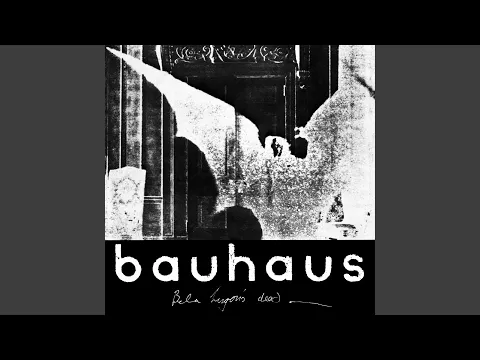
Think about space and leaving room in your music for your guitar effects to breathe. My number one example of this is "Bela Lugosi's Dead" by Bauhaus, as it leaves ample room for the guitar to weave around the minimal drum part and bassline.
Their guitarist, Daniel Ash, knew when not to play and created many abstract guitar string noises, which he then enhanced with delays and repeats.
This approach to the music leaves space, and space is good, as it creates tension and angst, making the track sit above its peers.
Experimentation, practice, and a deep understanding of your equipment are essential for achieving your desired sound.
#Goth Guitar Tones
What pickups are best for goth guitar tone?
Single-coil pickups deliver the bright, jangly tones essential to goth music. P-90 pickups offer a fatter single-coil sound, while humbuckers provide warmth for sparser arrangements. Players like Robert Smith favor offset guitars like Jazzmasters and Jaguars.
Which effects pedals shape goth guitar tone?
Chorus, flanger, delay, and reverb are core to the genre's ethereal, atmospheric quality. Distortion adds grit and edge at low-to-medium gain. BOSS and MXR pedals from the 1970s and 1980s were widely used by post-punk and goth players.
What amp should I use for goth guitar tones?
Tube amps like the Vox AC30 and Marshall JCM800 offer warm, overdriven tones. For cleaner, ethereal sounds, the Roland JC-120 solid-state amp is iconic—used in stereo by The Cult's Billy Duffy to create expansive walls of sound.
Why is stereo amplification important in goth music?
Using two amplifiers in stereo lets guitarists swirl modulation and time-based effects across the stereo field, creating depth and space. This approach helps effects breathe and builds atmospheric tension central to the genre.
Keep browsing

Get this stuff first.
Leaks, deals and reviews in your inbox, once a week. No spam, just gear.