Rainger FX Microphonic Fuzz Pedal Turns Room Noise Into Chaos
Rainger FX's new Microphonic Fuzz pairs high-gain analog fuzz with a digitally controlled internal microphone that captures room acoustics and feedback

London boutique builder Rainger FX blends a high-gain analog fuzz circuit with a switchable, digitally controlled internal microphone, turning room acoustics and feedback into a playable instrument.
When vintage studio gear or guitar pedals go "microphonic," it usually means an internal component is failing and picking up acoustic vibrations right before dying. Rather than treating that instability as a defect, London-based effects maker Rainger FX has engineered an entire stompbox around harnessing it on command.
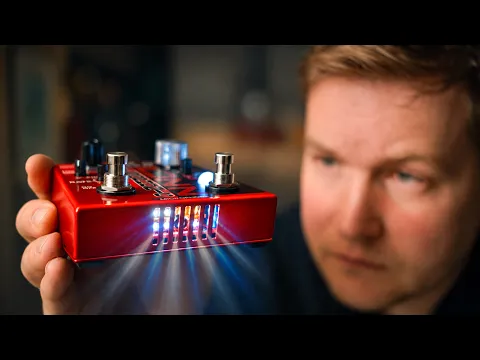
Newly launched in November 2026, the Rainger FX Microphonic Fuzz pairs a raw, high-gain analog fuzz engine with an onboard, digitally controlled microphone built directly into the enclosure. By capturing the sound coming out of your amplifier—along with the natural acoustics of the room—and looping it back into the signal chain, the pedal transforms everyday stage and studio ambience into thick spatial sustain, controlled harmonic feedback, and rhythmic noise textures.
How the Hybrid Analog Fuzz and Digital Mic Circuit Works
At its core, the Microphonic Fuzz is split into two distinct personalities: a pure analog dirt box and a digitally managed acoustic feedback loop. Even with the microphone circuit switched off via its dedicated footswitch, the pedal operates as a true-bypass, high-gain fuzz built around Rainger FX's own non-gated, low-sag topology.

Notably, the pedal omits a traditional Gain knob. Rainger FX designed the fuzz circuit to clean up smoothly from the guitar's volume control, keeping the interface streamlined for live tweaking. Players shape the core fuzz voice using two straightforward controls:
- Three-Way Tone Switch: Toggles between a raw, mid-forward profile (bypassing the tone stack entirely), an ultra-scooped setting packed with bass and treble, and a massive full-range mode that combines both voicings.
- Hi Freq Knob: Adjusts overall top-end bite so the fuzz cuts cleanly through dense mixes without harshness.
Engaging the internal microphone—tucked behind a protective grille on the bottom end panel of the chassis—opens the acoustic floodgates. The mic listens to your amp and surrounding environment, feeding that acoustic signal back through your rig in a continuous regenerative loop.

Sculpting Feedback With Dual Filters, Tremolo, and Flanging
Uncontrolled microphone feedback can quickly overwhelm a room, so Rainger FX equipped the digital mic side with precision sound-shaping tools.

Dual high-pass and low-pass filters allow guitarists to narrow the microphone's frequency response. By dialing in both filters tightly around a specific frequency band, players can tune the self-oscillation to bloom around the exact musical key of a song while filtering out piercing squeals.
A dedicated Mic Level control governs how much room signal enters the loop, while a top-mounted gate switch helps keep idle background noise under control.
To keep sustained feedback musical and dynamic, Rainger FX added two built-in modulation touches exclusively to the microphone path:
- Square-Wave Tremolo (
RateKnob): Chops the microphonic signal into hard-edged rhythmic pulses—ranging from slow, stuttering blocks of sound to a rapid buzz—while leaving your dry guitar fuzz untouched. - Always-On Subtle Flanging: A shallow flanger runs permanently on the mic circuit so that sustained feedback pitches shift organically rather than locking onto a single static whistle.
(Note: Because the open microphone can generate extreme volume spikes and triggers bright white feedback-reactive LEDs, Rainger FX includes explicit hearing-protection and photosensitive-epilepsy warnings on the unit.)

Beyond Guitar: External XLR Mic Input, Vocals, and Headphone Tricks
Because the Microphonic Fuzz interacts directly with physical space, moving the pedal changes its sound. Rotating the enclosure 90 degrees on the floor alters which room frequencies resonate most strongly, while placing the pedal farther from an amp introduces an ultra-fast acoustic slapback delay governed by the speed of sound (343 meters per second).
Rainger FX also built in several unconventional studio and stage workflows:
- External XLR/TRS Microphone Input: Plug an external mic into the pedal to route acoustic sources—such as a microphone placed inside a drummer's kick drum—straight through your fuzz and downstream pedalboard effects.
- Handheld Vocal Performance: Powered by a 9V PP3 battery, the pedal can be unplugged from a pedalboard power supply, held in the hand, and sung into directly, with its white feedback LEDs illuminating the vocalist's face in time with the audio.
- Silent Practice Character: When used with headphones, the internal mic no longer feeds back off an amp; instead, it blends the natural acoustic sound of your guitar strings and pick attack into the fuzzed headphone signal.
Rainger FX Microphonic Fuzz Specifications and Pricing
| Specification | Details |
| Circuit Architecture | High-gain analog fuzz with digitally controlled switchable microphone |
| Fuzz Controls | 3-way Tone Switch (Mid-Forward, Scooped, Full-Range), Hi Freq, Output Level |
| Microphone Controls | Mic Level, High-Pass Filter, Low-Pass Filter, Tremolo Rate, Gate Switch |
| Connectivity | 1/4" Instrument In/Out, Combo XLR/TRS External Mic Input |
| Bypass & Power | True Bypass; 9V DC (center-negative) or 9V PP3 battery backup; 86mA draw |
| Dimensions | 119mm (D) x 102mm (W) x 59mm (H) |
| Price | £216 ex. VAT (£259 incl. VAT in the UK) / $259–$286 USD |
Where To Buy
The Rainger FX Microphonic Fuzz is available now from authorized dealers.

- +High-gain analog fuzz cleans up smoothly from guitar volume control
- +Dual filters allow precise tuning of microphone feedback to specific frequencies
- +External XLR/TRS input enables creative use with external sound sources
- +True bypass when microphone circuit is disengaged
- +Tremolo and flanging on mic path keep sustained feedback musical and dynamic
- +Versatile for studio, stage, and silent practice headphone use
- +Compact footprint with multiple sound-shaping options
- −Open microphone can generate extreme volume spikes requiring hearing protection awareness
- −Pedal position and room placement significantly affect the sound, limiting consistency
- −May require careful gate and filter tuning to avoid unwanted feedback in quiet environments
- −No traditional Gain knob on the fuzz circuit limits some players' control preferences
What makes the Rainger FX Microphonic Fuzz different from a standard fuzz pedal?
Unlike conventional fuzz pedals, the Microphonic Fuzz features an onboard microphone that captures room acoustics and amp sound, looping the signal back into your rig. This creates regenerative feedback textures shaped by digital filters, tremolo, and flanging—turning ambient noise into a playable instrument.
Can you use the Microphonic Fuzz without the microphone circuit?
Yes. Engaged via footswitch, the microphone can be disabled entirely, and the pedal operates as a true-bypass, high-gain analog fuzz with a 3-way Tone Switch and Hi Freq control for shaping the core dirt voice.
How much does the Rainger FX Microphonic Fuzz cost?
The Microphonic Fuzz is priced at £216 ex. VAT (£259 incl. VAT in the UK) or $259–$286 USD. It's available from authorized dealers including Andertons Music Company.
Can you plug an external microphone into this pedal?
Yes. The pedal includes a Combo XLR/TRS input for external mics, allowing you to route acoustic sources—such as a kick drum mic or vocals—through your fuzz and downstream pedalboard effects.
Keep browsing

Get this stuff first.
Leaks, deals and reviews in your inbox, once a week. No spam, just gear.