JHS Pedals and Coppersound Launch the $119 DIY Short Circuit
JHS Pedals and Coppersound launch the $119 Short Circuit DIY pedal kit—a soldering-required boost-drive-fuzz with three voices in one industrial enclosure.

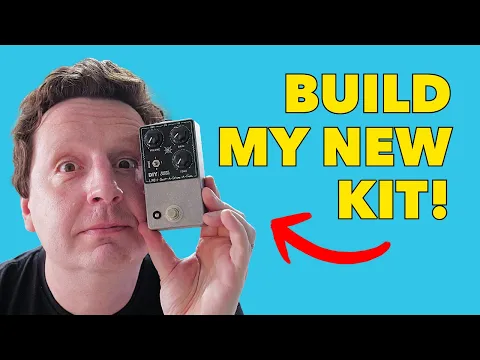
Step aside, snap-together pedal kits. JHS Pedals has teamed up with DIY specialist Coppersound to release the Short Circuit, a brand-new $119 build-at-home stompbox that takes the DIY guitar pedal experience to the next level.
Following the massive success of the IKEA-style Notaklön and Notadümblë drive pedals, this latest collaboration abandons the foolproof white enclosures in favor of a rugged, industrial chassis and a much more hands-on build process.
Moving Beyond the Notaklön
If you found building the Notaklön or Notadümblë to be a bit too easy—requiring little more than connecting a few ribbons and tightening some screws—the Short Circuit is the perfect graduation project.

This release marks a significant step up in complexity. The Short Circuit features a full PCB board that requires real soldering skills and a proper workstation. It's a genuine deep dive into the world of pedal building, joining Coppersound’s already generous lineup of highly respected DIY packs.
Tools and Components Needed for the Short Circuit Build
To complete this advanced DIY stompbox, builders will need a proper toolkit, including:
- A soldering iron
- Flush cutters and needle-nose pliers
- An array of wrenches and a screwdriver
- A multimeter (optional, but highly recommended for the serious builder)
Inside the kit, you'll be attaching a wide assortment of electronic components to the PCB, including electrolytic and film capacitors, diodes, resistors, transistors, potentiometers, power jacks, and ribbons.
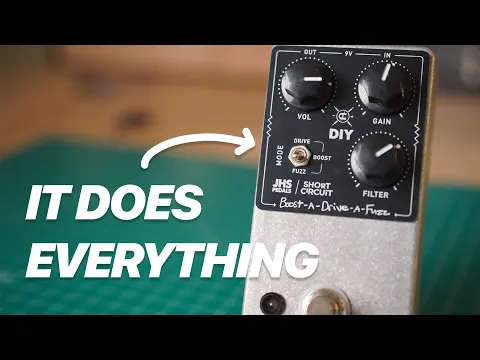
Three Voices in One Industrial Enclosure
Described as a versatile, three-in-one Boost-a-Drive-a-Fuzz pedal, the Short Circuit doesn't just offer an engaging build—it promises serious tone.
The pedal features a straightforward, player-friendly control layout:
Volume, Gain, Filter, and Mode Switch (to easily flick between the boost, drive, and fuzz voices). A standard single footswitch and customary ‘On’ LED indicator.
A Personal Milestone for Josh Scott
The Short Circuit has been in development for quite some time, and its release holds deep personal significance for JHS Pedals founder Josh Scott. As revealed in a recent build-along livestream, the pedal was the exact project he was finalizing before suffering a horrific mountain biking accident last year.
“This is a bit of a personal marker for me,” Scott shared. “I was in a pretty hideous mountain biking accident and I did almost die. I broke my nose in two places [and needed] 29 stitches on my face. I broke my back, I broke my hand, I was lacerated all over my body. It was pretty nuts. I did all this right before that.”
Short Circuit DIY Pedal Pricing and Availability
Ready to heat up the soldering iron? The Short Circuit DIY Pedal is available to order now for $119.
For more information or to secure your kit, head over to the official Coppersound website.
- +Three versatile tones in one pedal
- +Affordable at $119
- +Hands-on soldering experience for advanced builders
- +Industrial, rugged enclosure design
- −Requires soldering skills and proper equipment
- −More complex than previous DIY kits like Notaklön
- −Longer build time than IKEA-style alternatives
What's inside the Short Circuit DIY pedal kit?
The kit includes a full PCB board, electrolytic and film capacitors, diodes, resistors, transistors, potentiometers, power jacks, and ribbons. It requires soldering and assembly with proper tools like a soldering iron, flush cutters, pliers, wrenches, and a multimeter.
How much does the Short Circuit DIY pedal cost?
The Short Circuit is priced at $119 and is available to order now through Coppersound's website.
What are the three voices on the Short Circuit pedal?
The pedal features three selectable modes accessed via a single switch: boost, drive, and fuzz. Controls include Volume, Gain, Filter, a Mode Switch, a single footswitch, and an On LED indicator.
Is the Short Circuit harder to build than the Notaklön?
Yes. Unlike the solderless Notaklön and Notadümblë, the Short Circuit requires actual soldering skills and a proper workstation, making it a more advanced DIY project for experienced builders.
Keep browsing

Get this stuff first.
Leaks, deals and reviews in your inbox, once a week. No spam, just gear.